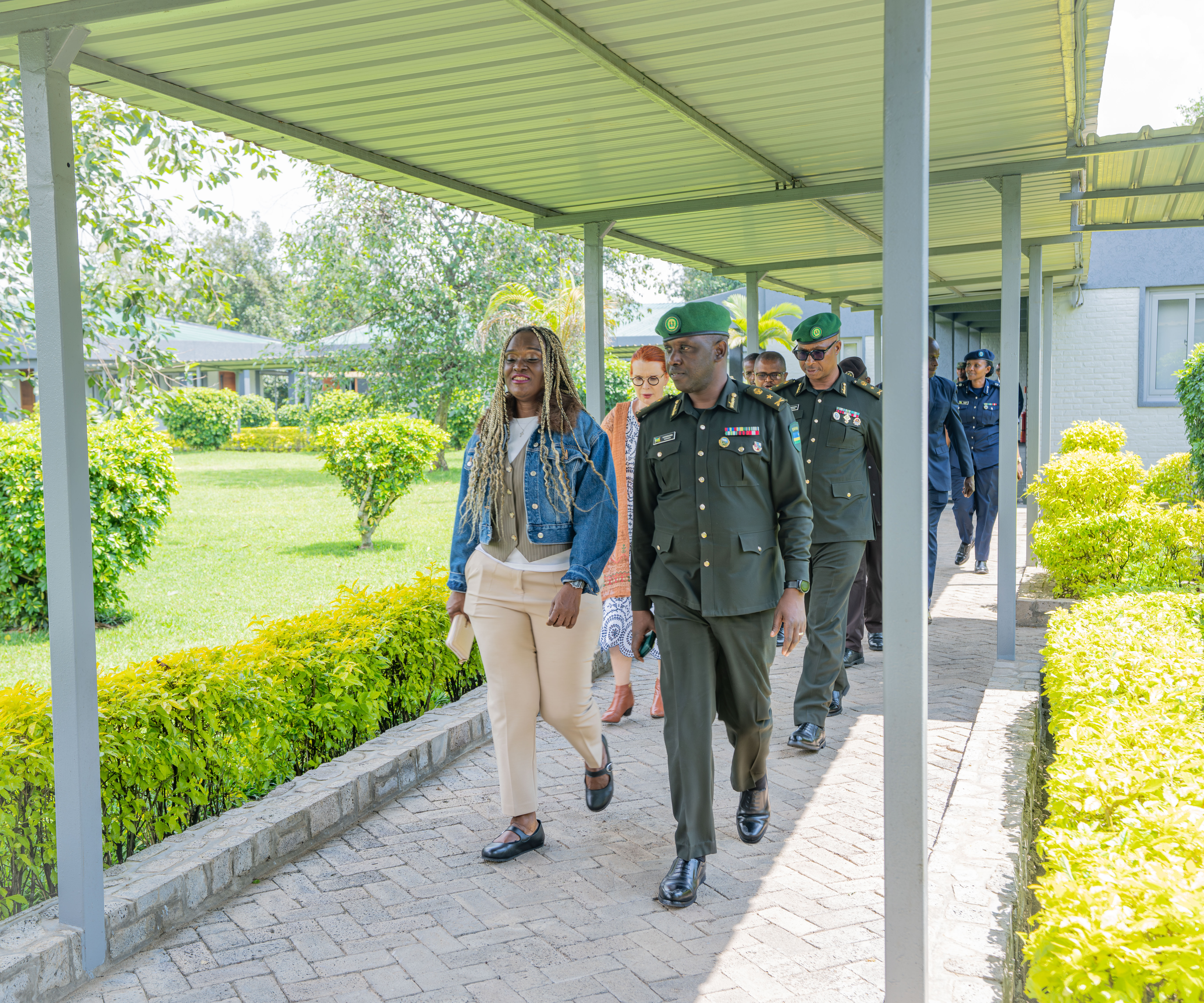
THE STUDENTS OF RDF SENIOR COMMAND AND STAFF COLLEGE INTAKE 13 CONDUCTED RWANDA PATRIOTIC ARMY LIBERATION WAR STUDY TOUR

On 16 April 2025, in line with the College Curriculum, National Students of Senior Command and Staff Course intake 13 accompanied by Directing Staff (DS) and College leadership have commenced RPA Liberation War Study Tour to research on various battles of RPA Liberation War. The Purpose of RPA Liberation War Study Tour was to study the planning and execution of the war from a military perspective with the aim to drawing operational and tactical lessons.
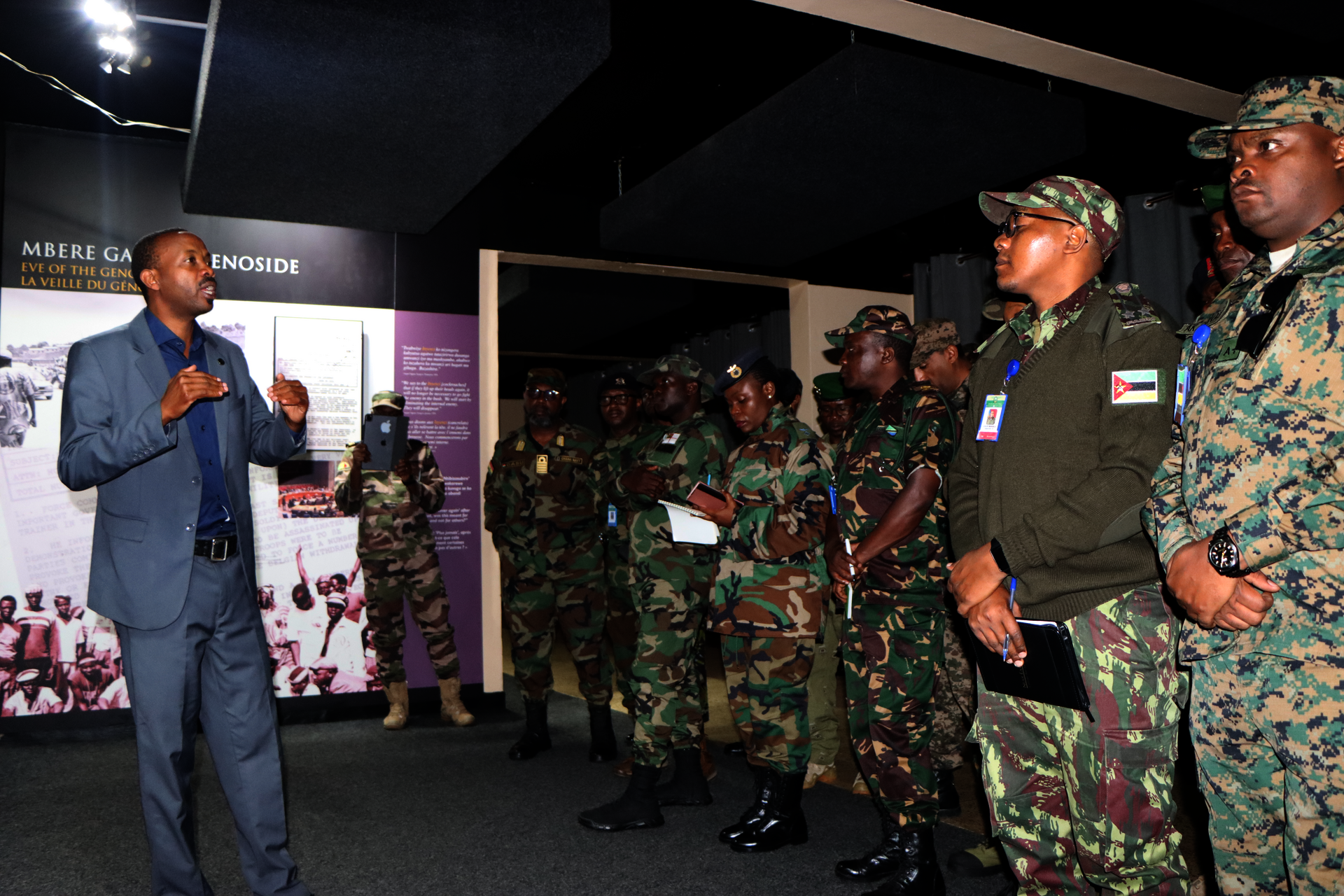
Allied Students with Allied DS visited the National Museum to comprehend Rwanda’s History, Culture and Values. The National Museum holds the artifacts of the Rwanda’s history, and Genocide Memorial sites, which exhibit the machinations of Genocide against the Tutsi, as well as the tragedy that befell Rwanda in 1994.
A 5 days’ study tour begun from 15 to 19 April 2025. A Study Tour for National students and allied students have been sequenced according to the zones of UMUTARA, BYUMBA, RUHENGERI, KIGALI and in Southern Province.
The RPA Study Tour commenced at Kagitumba border post, where Maj Gen Rtd Eric Murokore and other various respondents who commanded the war at the operational and tactical levels briefed the National students, for understanding the planning and operational environment of RPA Liberation War.
For National Students, the research focused on RPA invasion of 1 October 1990, establishment of foothold of November 1990 to 1992, expansion and consolidation of 1992 to 1994, while for Allied students the research focused on genocide memorial sites, national museums, campaign against the genocide against the Tutsi in April 1994 and cultural sites.
The Liberation War of the Rwanda Patriotic Front (RPF) begun on 1 October 1990, with the invasion on Rwandan territory by its Armed Wing Rwanda Patriotic Army (RPA) through KAGITUMBA border post. RPA registered initial success such as the capture of GABIRO Military Barracks and the town of NYAGATARE. However, after the death of Maj Gen Fred GISA RWIGEMA, the Commander of the RPA at the time, a counter offensive operation was launched by the “Forces Armées Rwandaise” (FAR), which led to the unconditional withdraw of RPA Force.
In the aftermath, when the RPA Forces were almost defeated, H.E Paul KAGAME, the President of the Republic of Rwanda and C-in-C of RDF, took charge, regrouped and reorganized the demoralized RPA Force, and launched a new operational approach that included a combination of classic military and insurgency operations aimed at securing a foothold on Rwandan territory. The operations were successful and a foothold was established and expanded leading to the Arusha peace talks. However, the outbreak of Genocide against the Tutsi in April 1994 halted the peace process and fighting resumed in the form of rescue operations as well as conventional military operations that led to the defeat of genocidal regime in July 1994.
The objectives of RPA Liberation War Study Tour were to understand the evolution of the RPA Liberation War, understand the planning and conduct and link of various campaigns, operations and battles during the RPA liberation war, understand the role played by the leadership in the success of the RPA Liberation War, identify major challenges faced by the RPA leadership in their initial offensive and assess how they were overcome in subsequent campaigns, assess how major operations/battles link to support the different campaigns, establish the relationship between the success/failure of military operations and application/misapplication of Campaign Planning Concepts, Principles of war and Functions in Combat as well as understand the enduring tenets that led to RPA victory and FAR defeat.
RPA STUDY TOUR PHOTOS
KAGITUMBA.
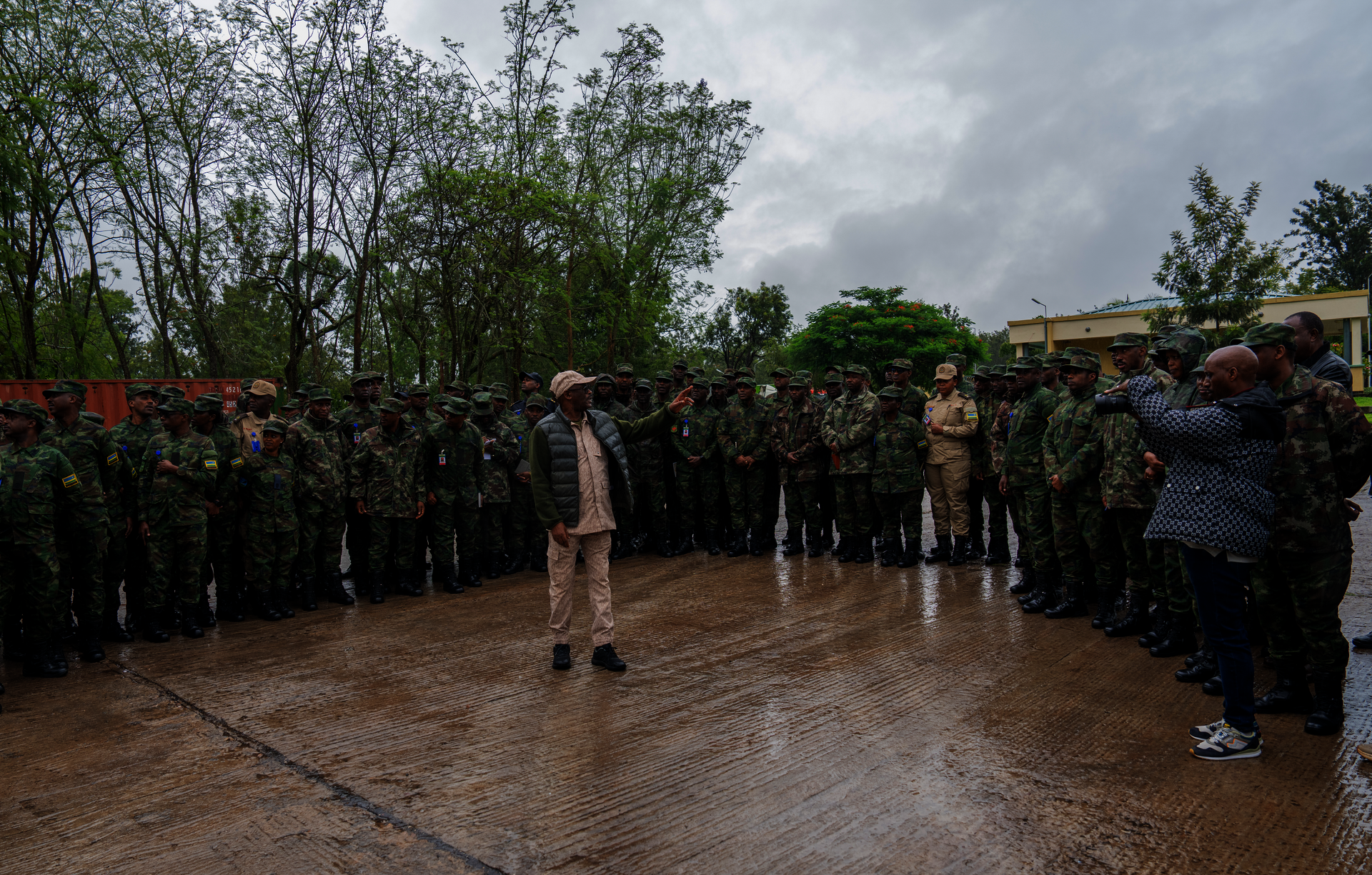

NYABWISHONGWEZI.
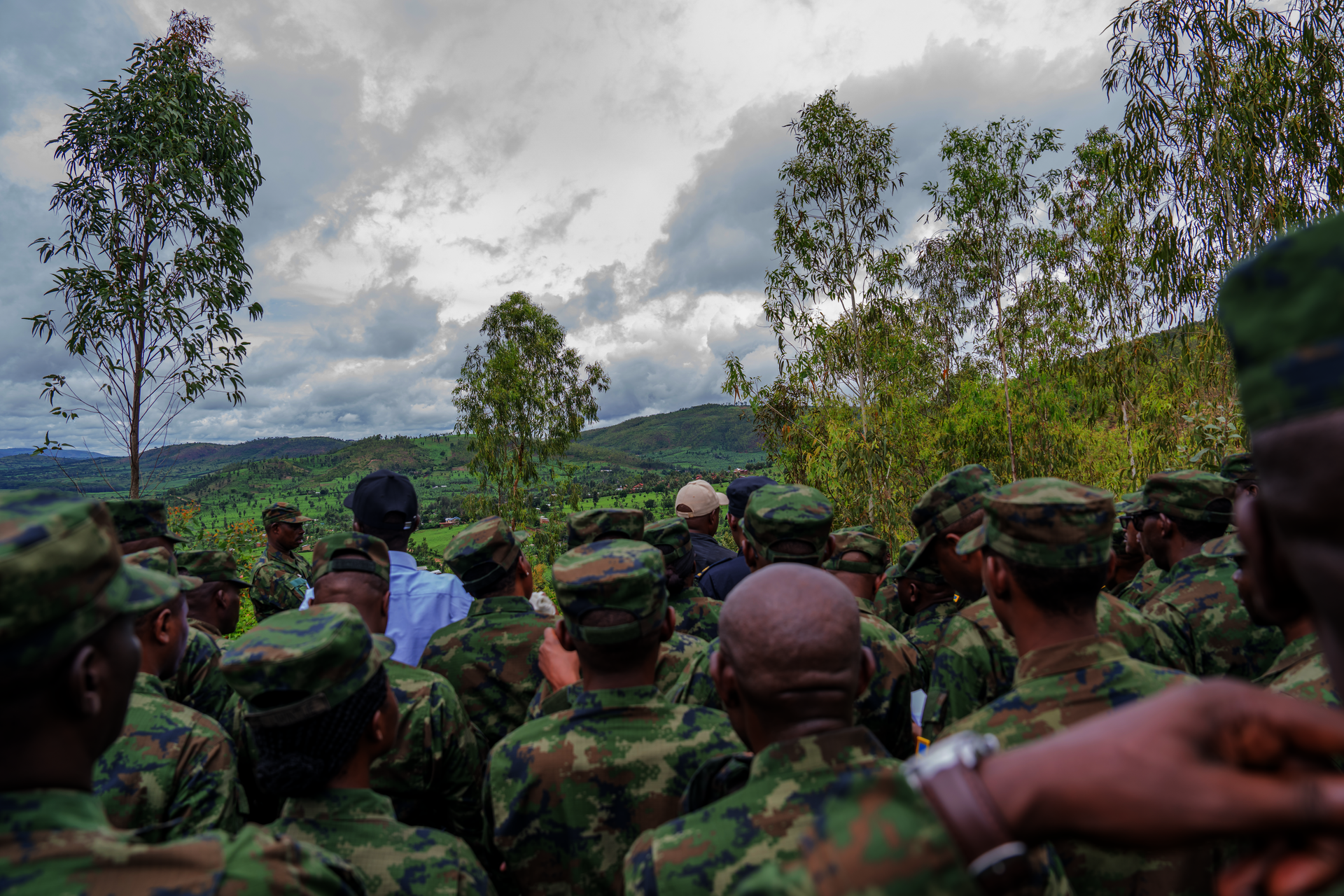
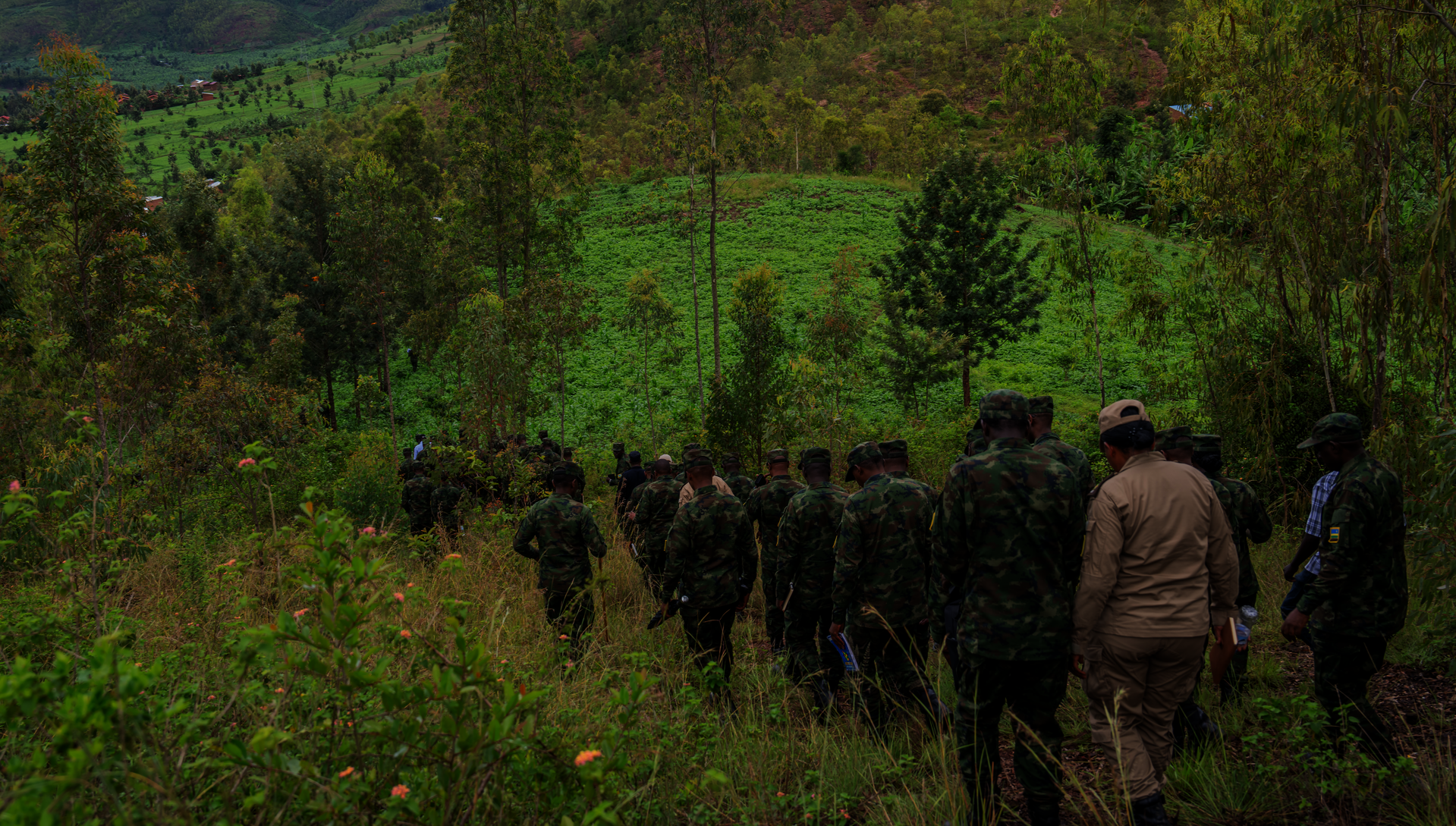
GABIRO.
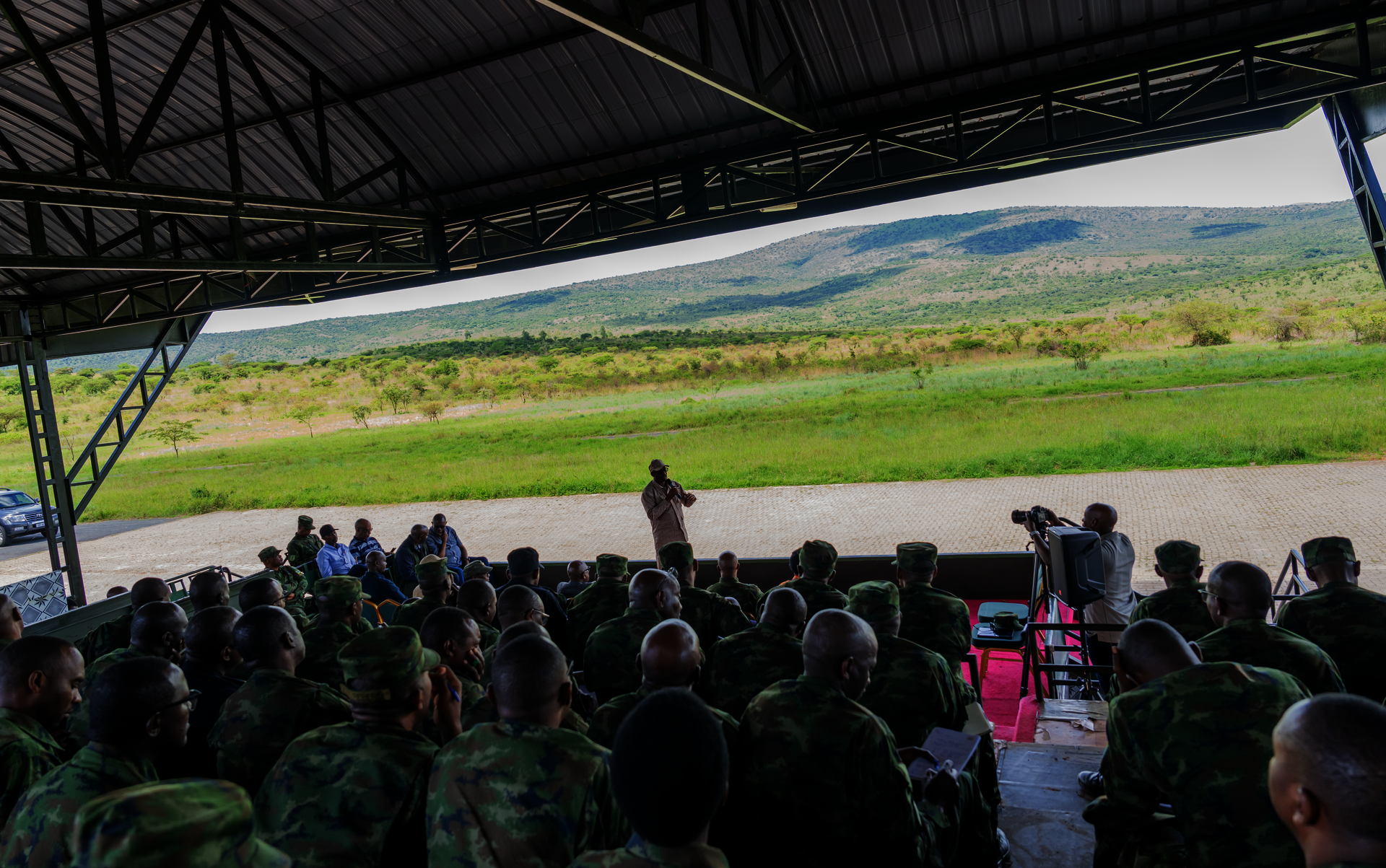
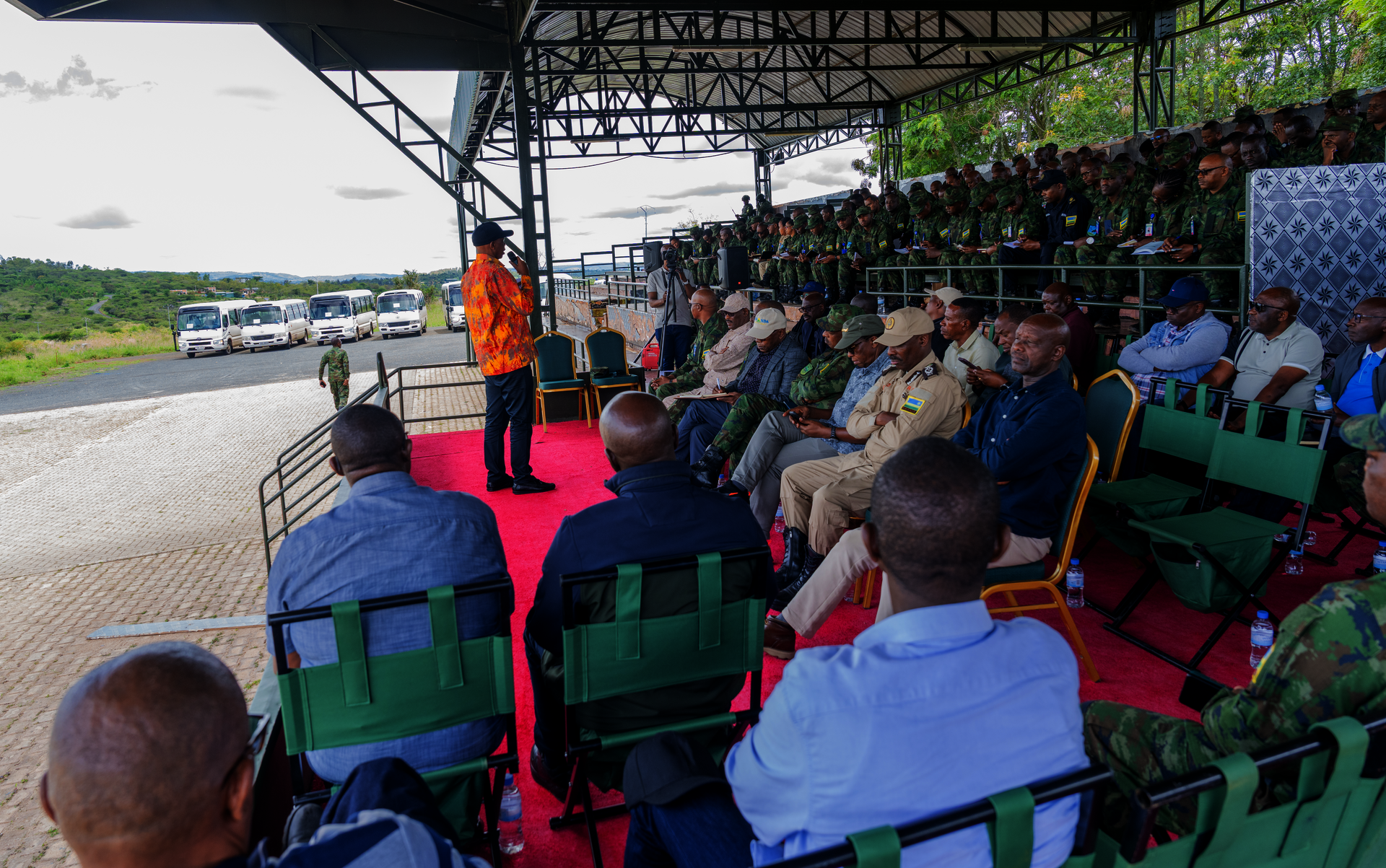
RYABEGA.
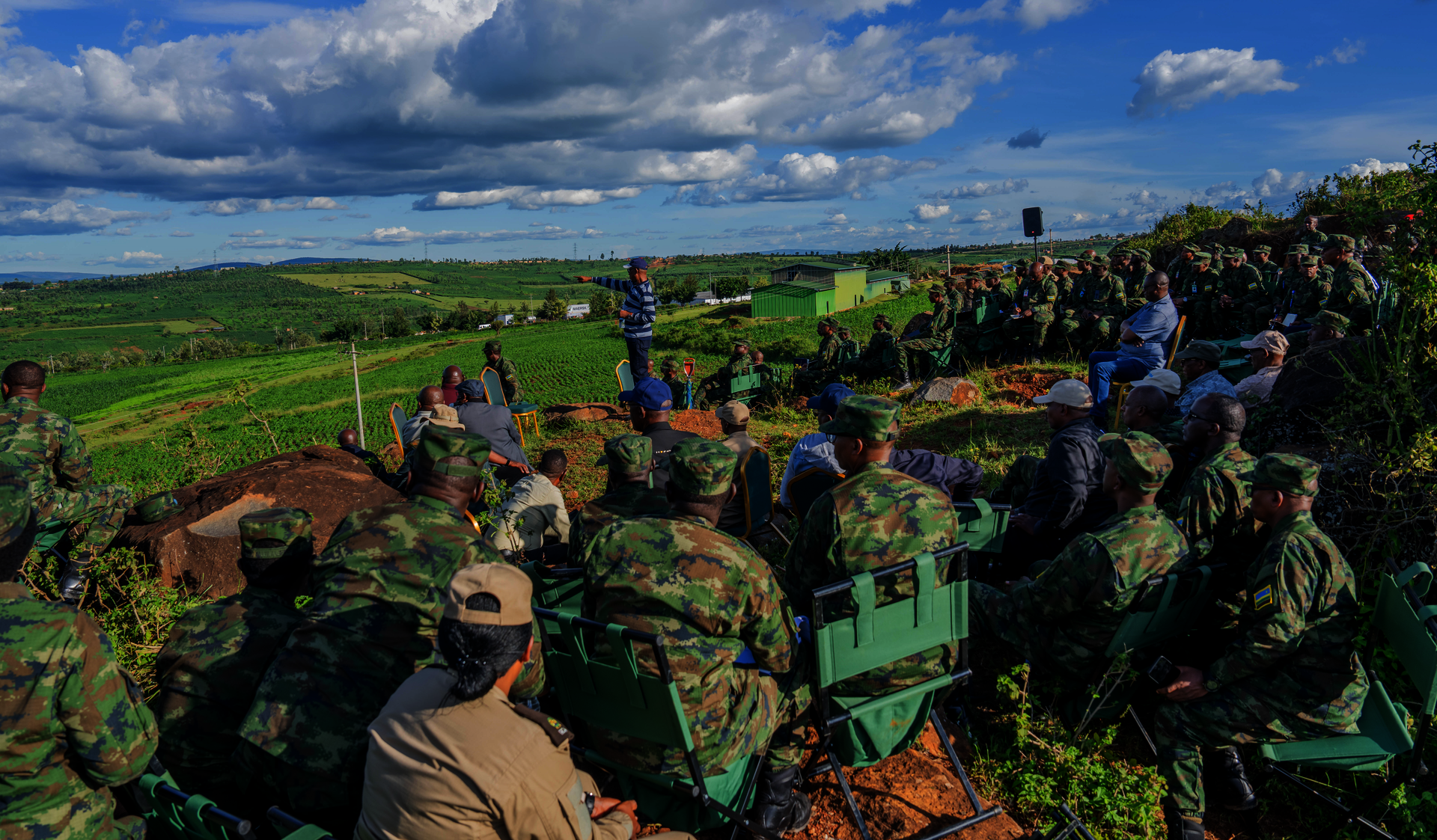
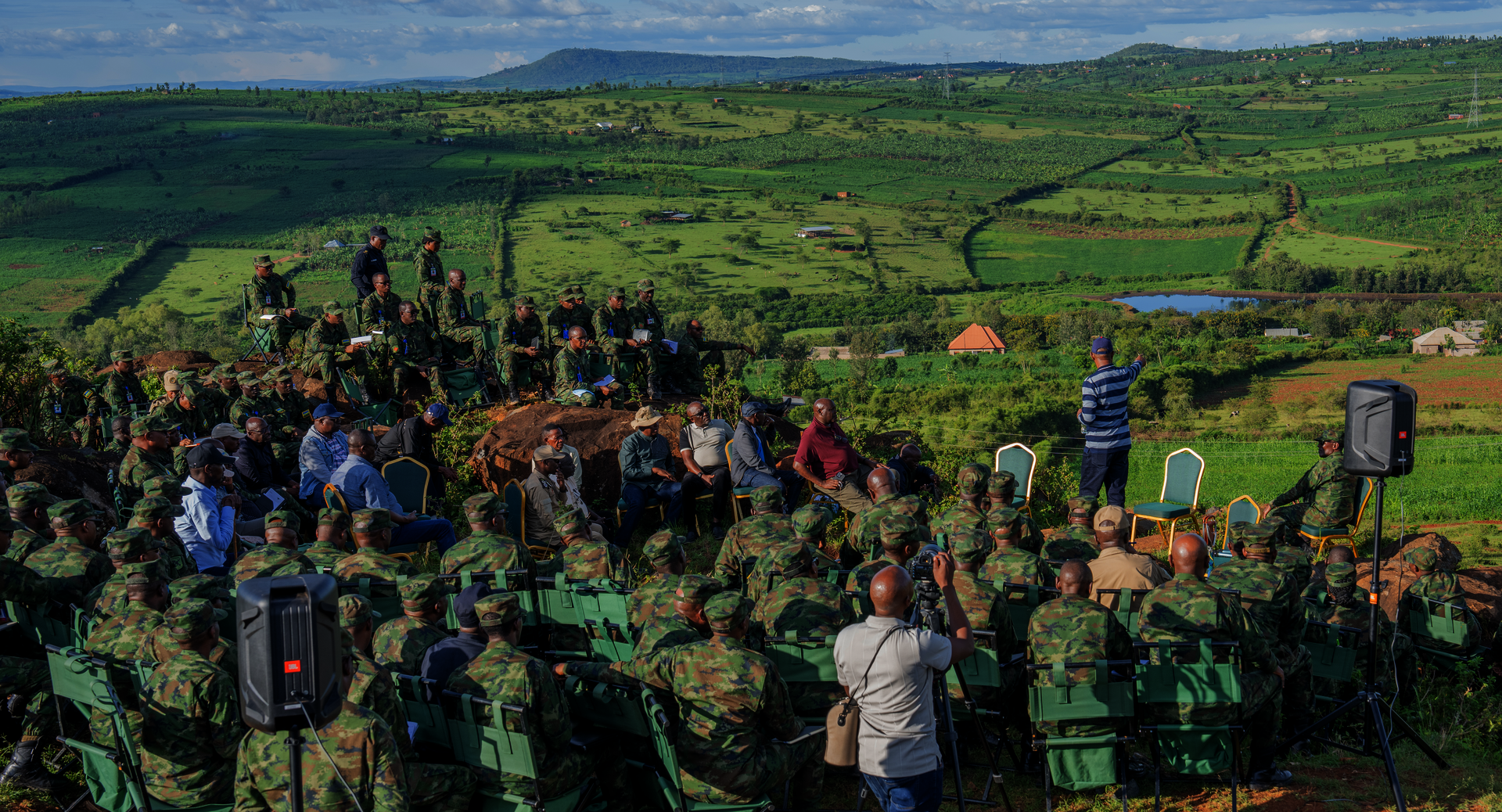
NYAGATARE.
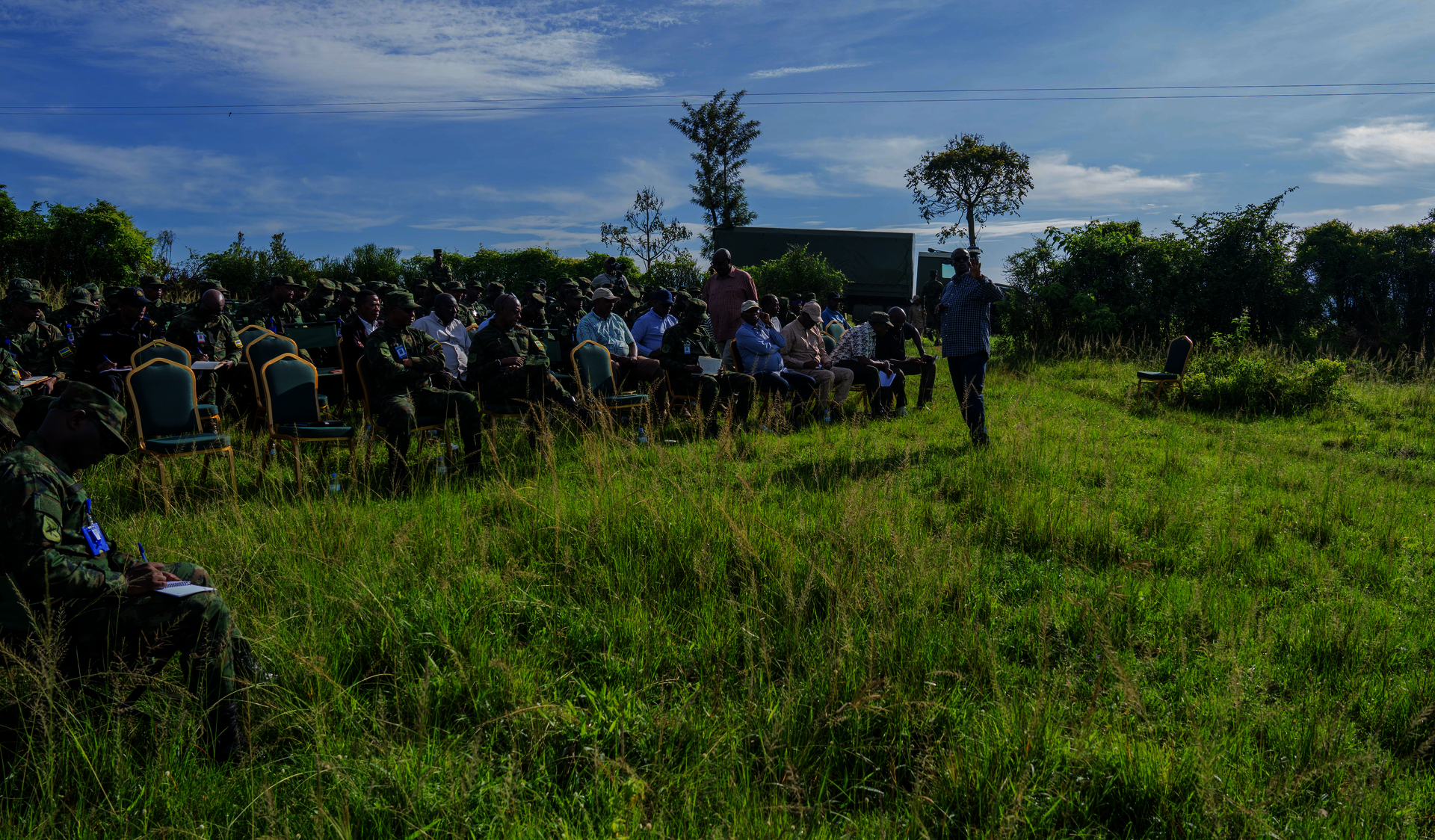
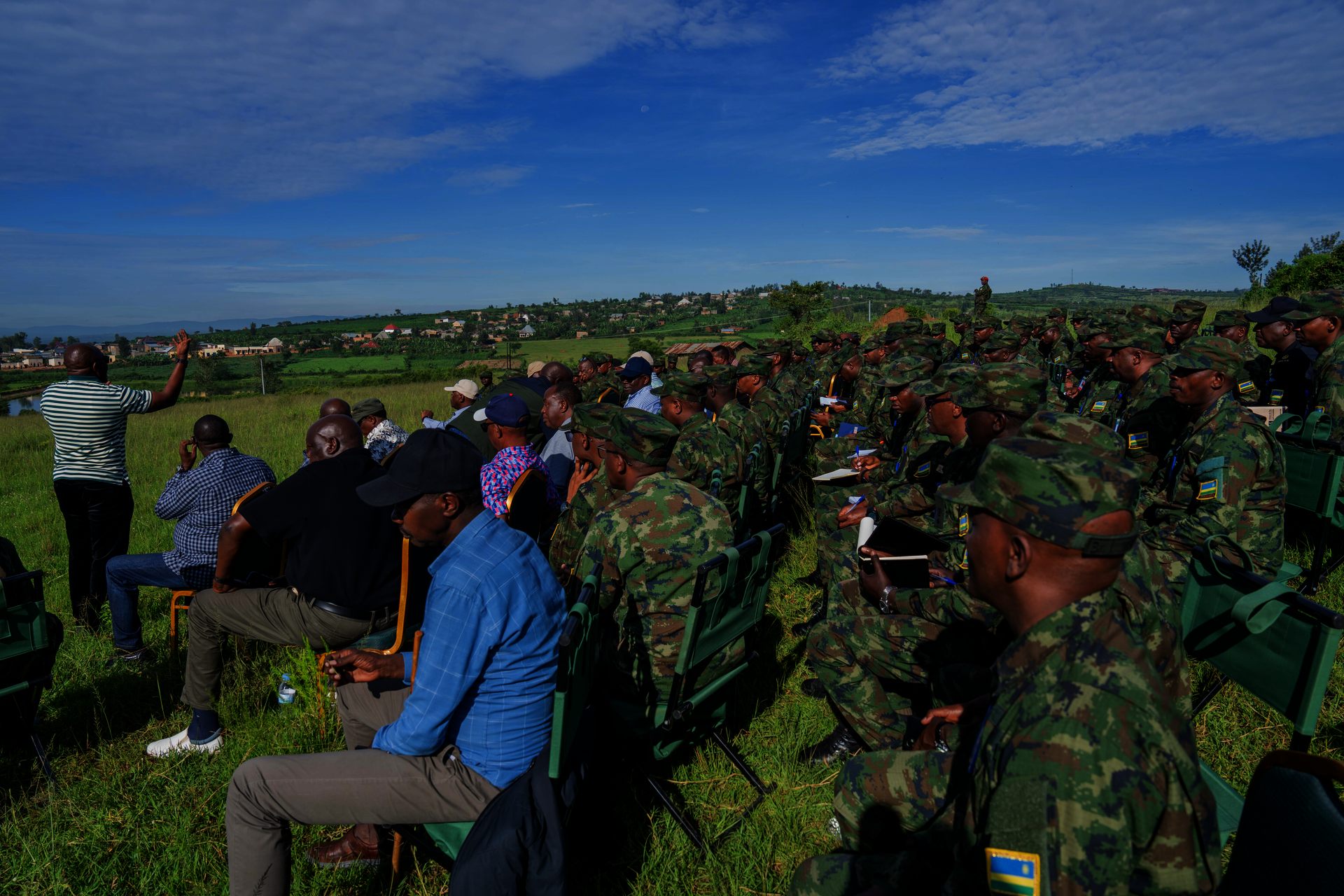
KABOROGOTA.
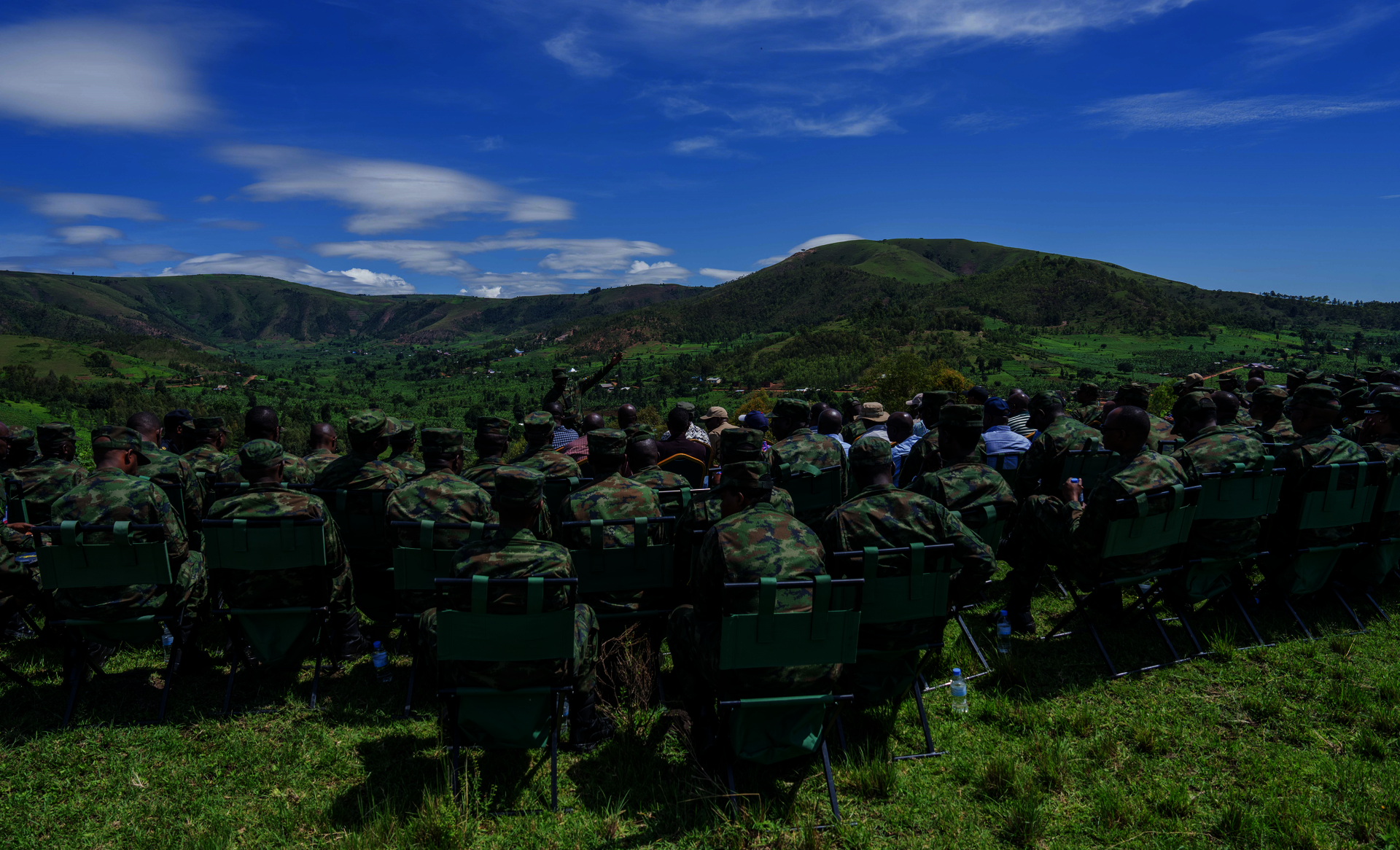
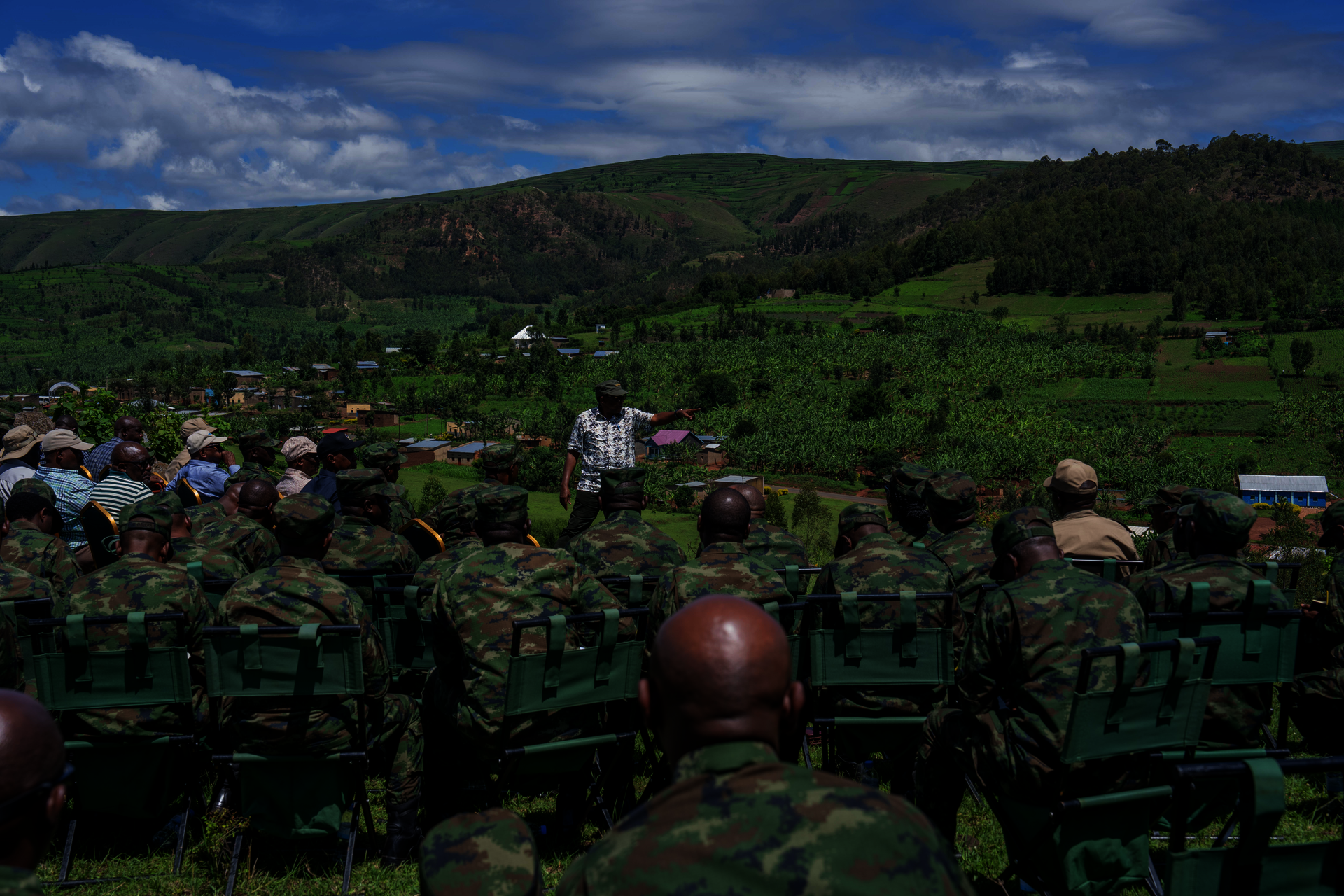
MULINDI.
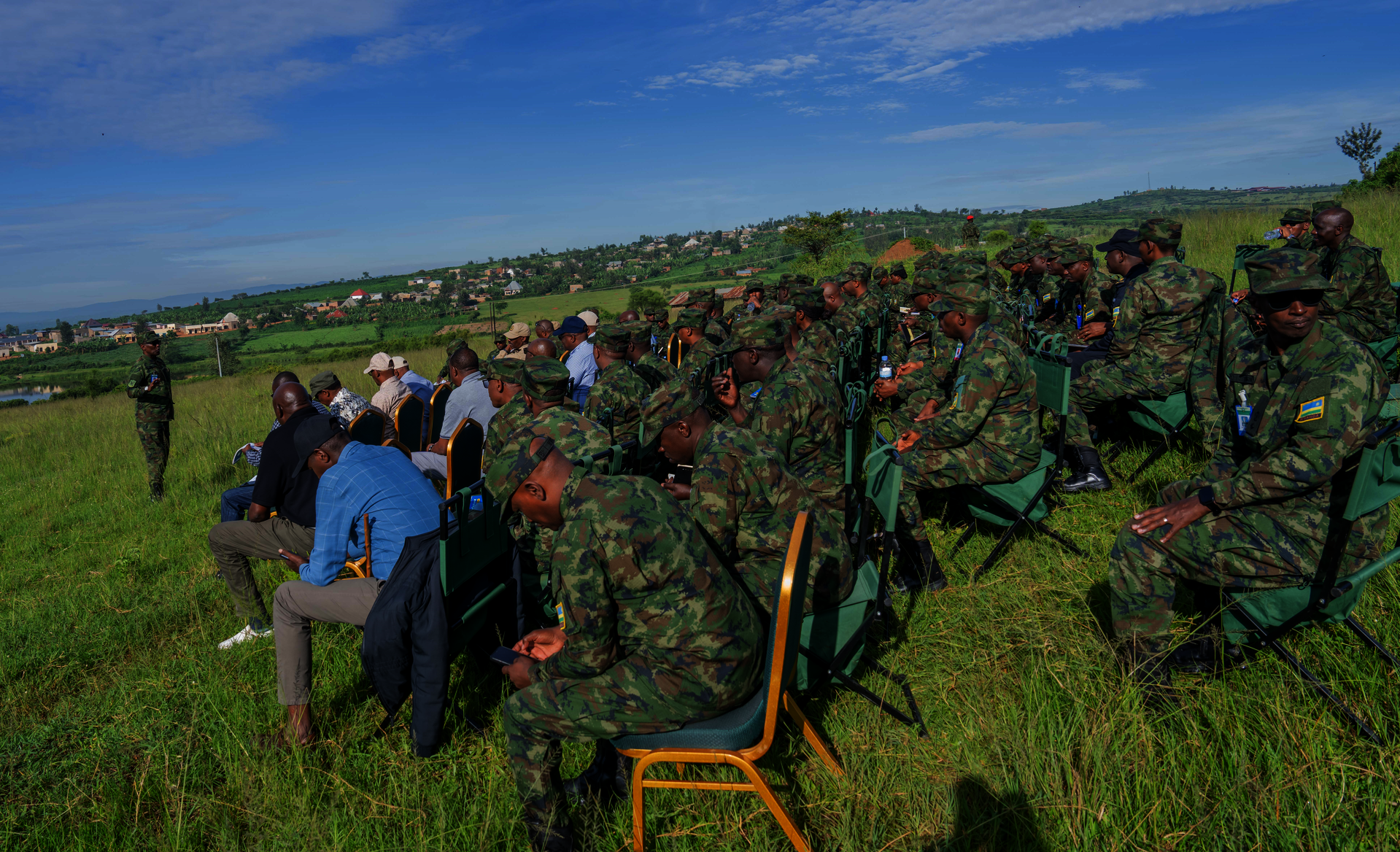
BUTARO.
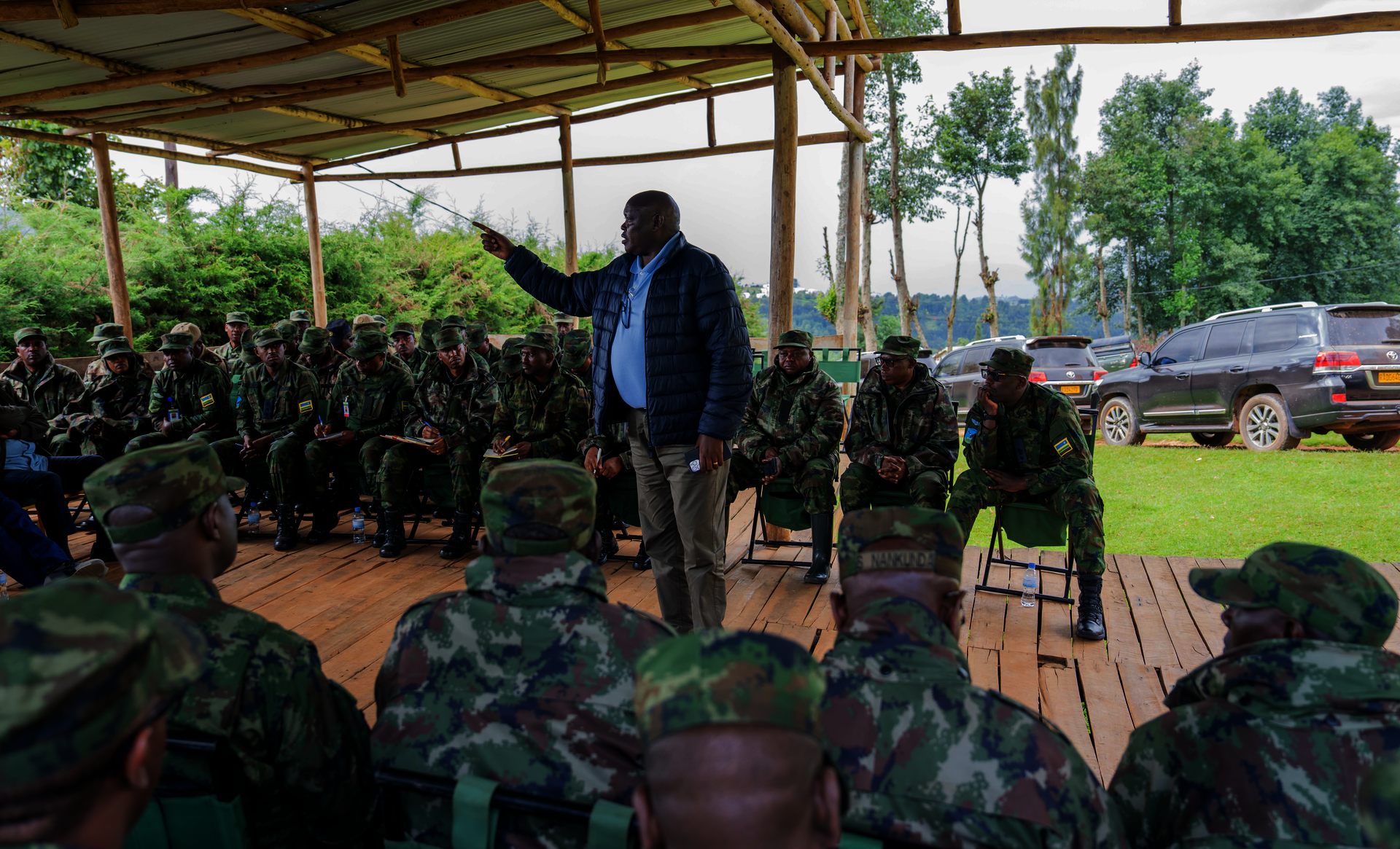
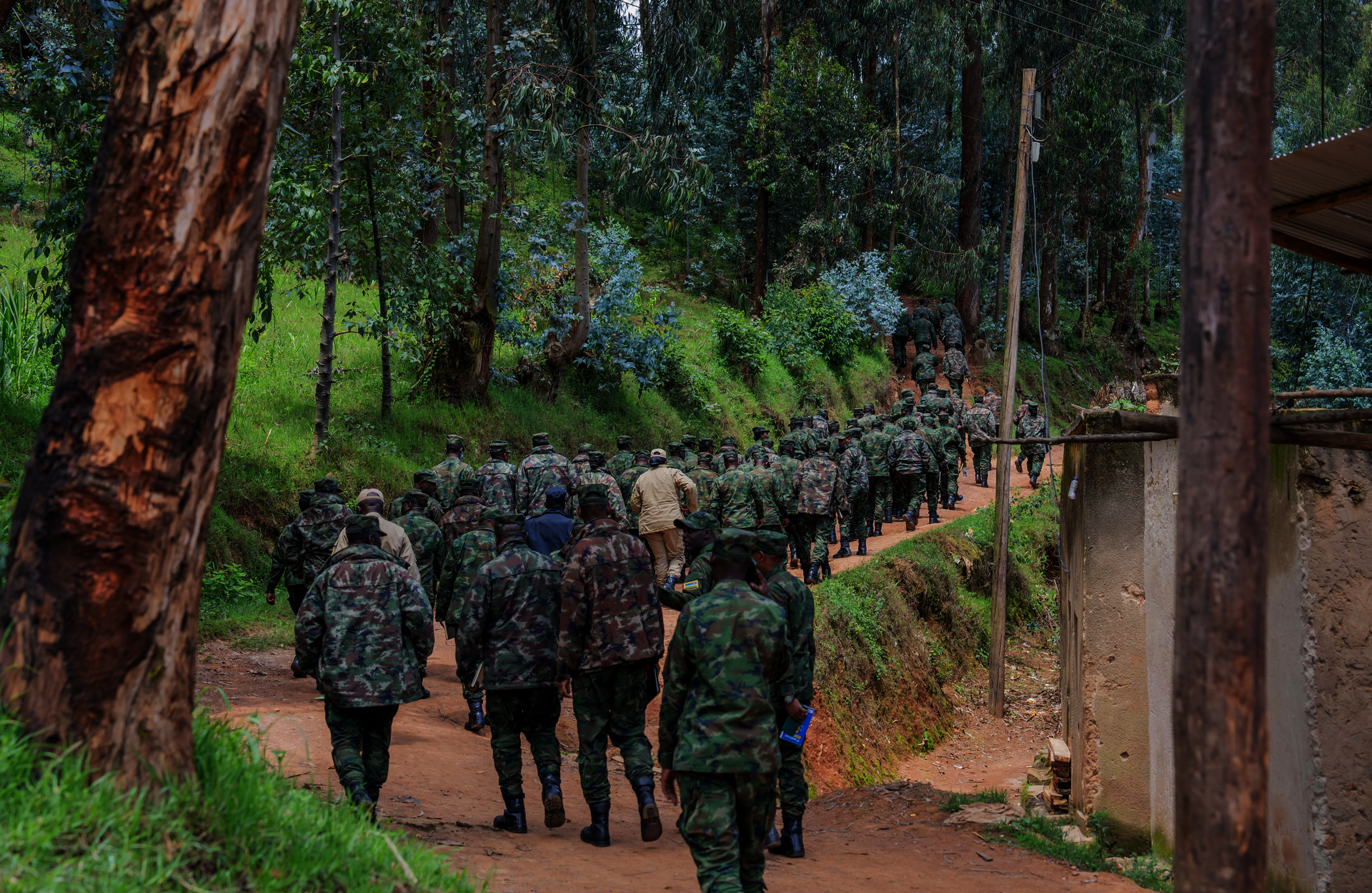
MUSANZE AIR STRIP.
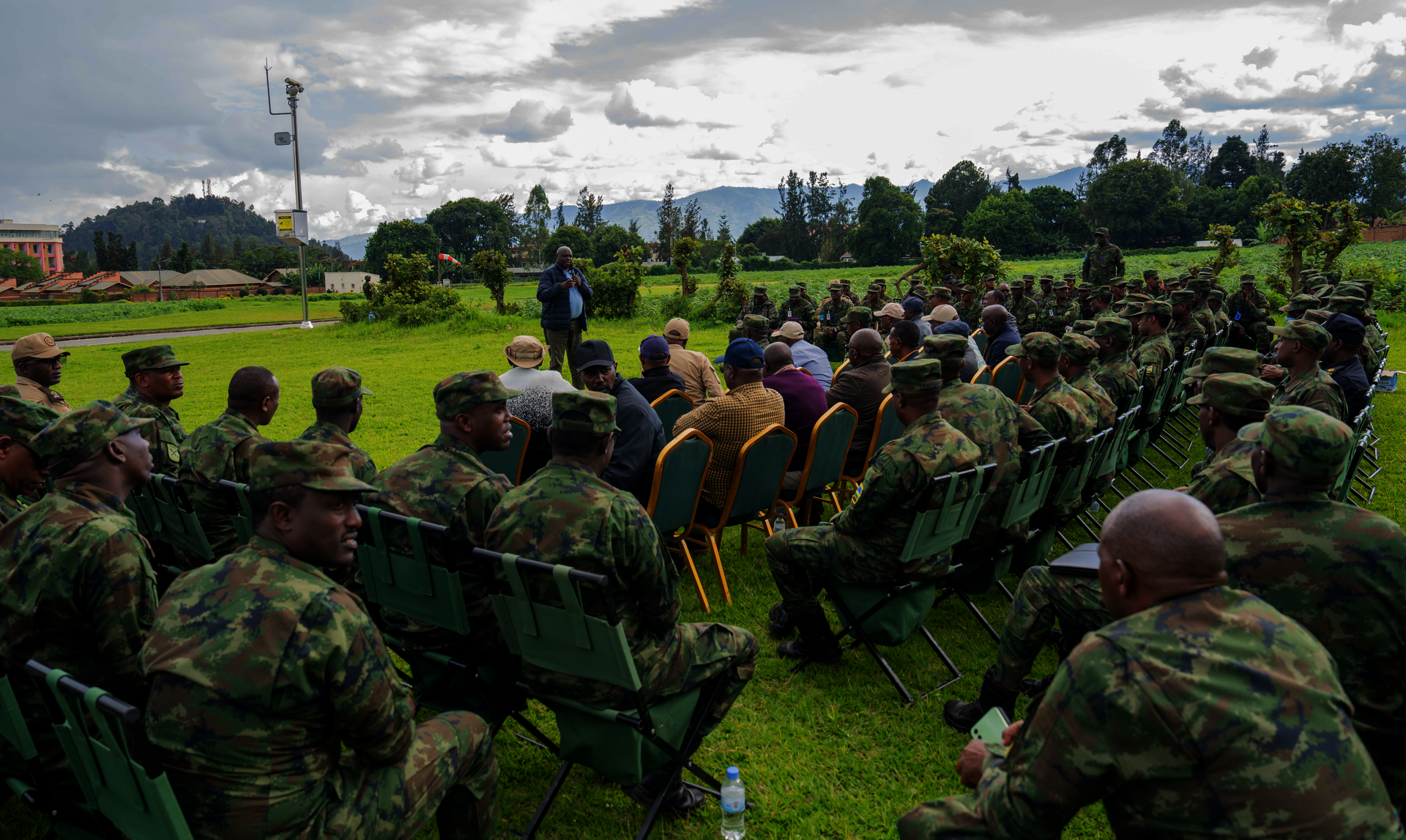
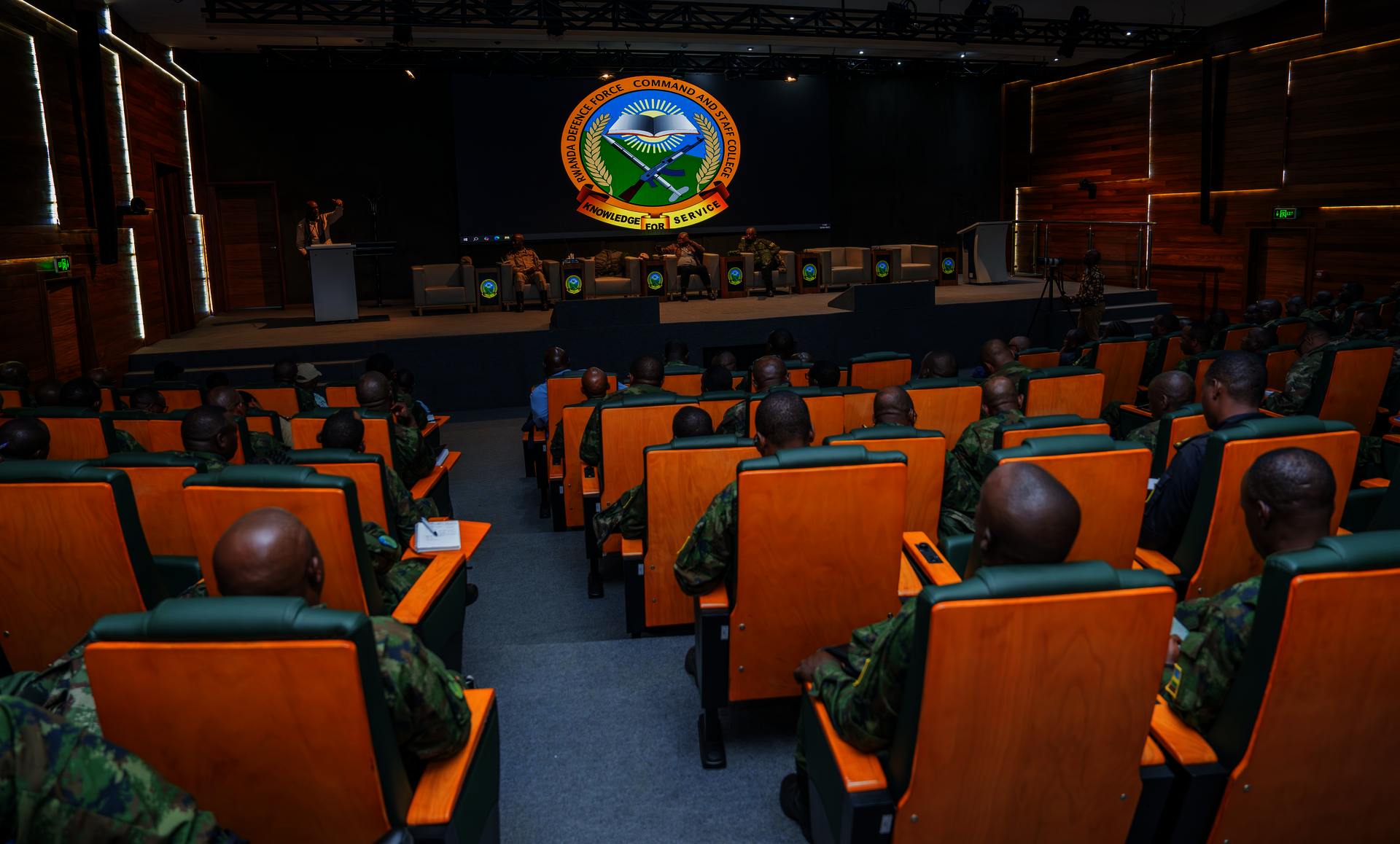
PARLIAMENT.
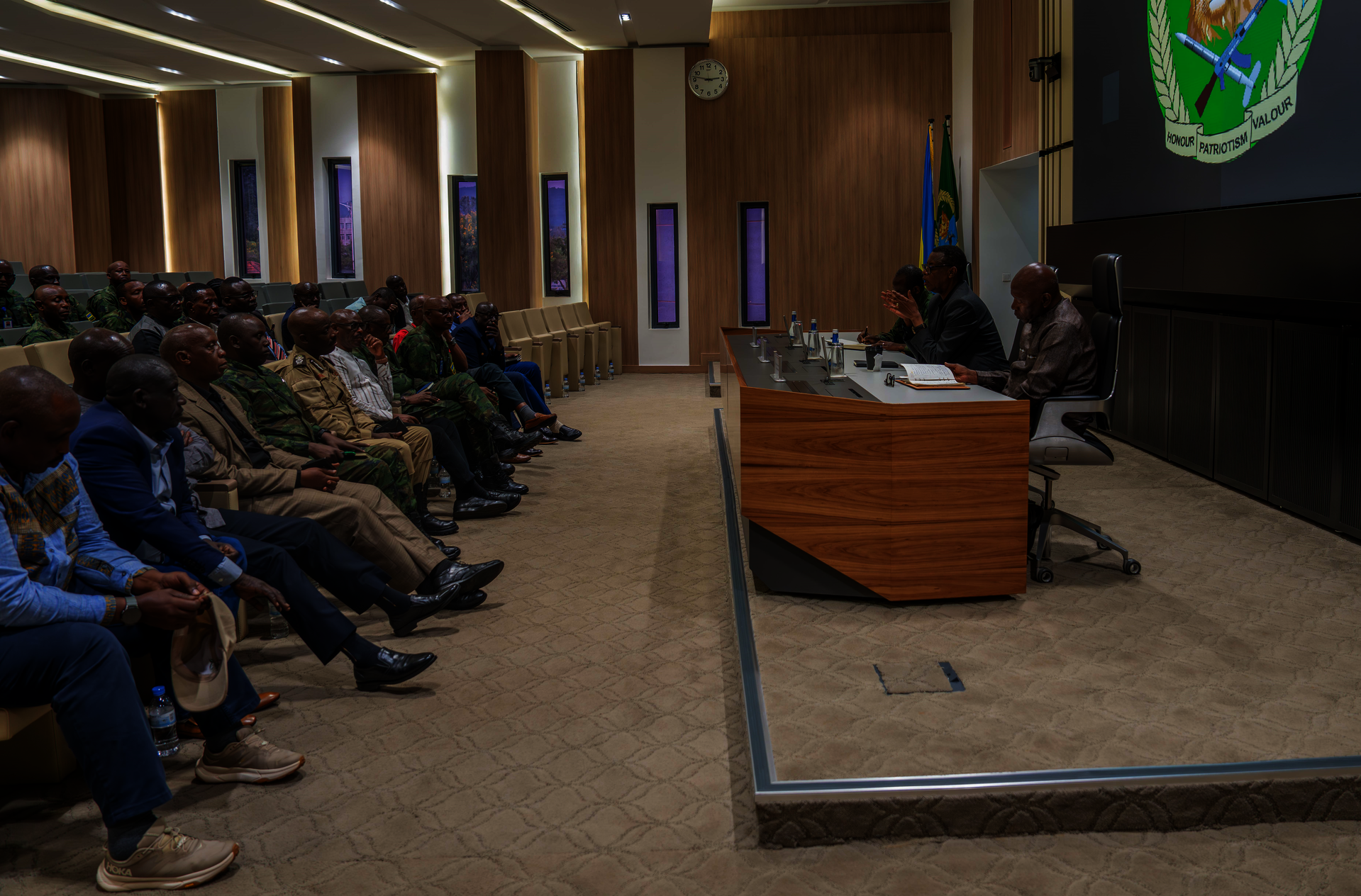
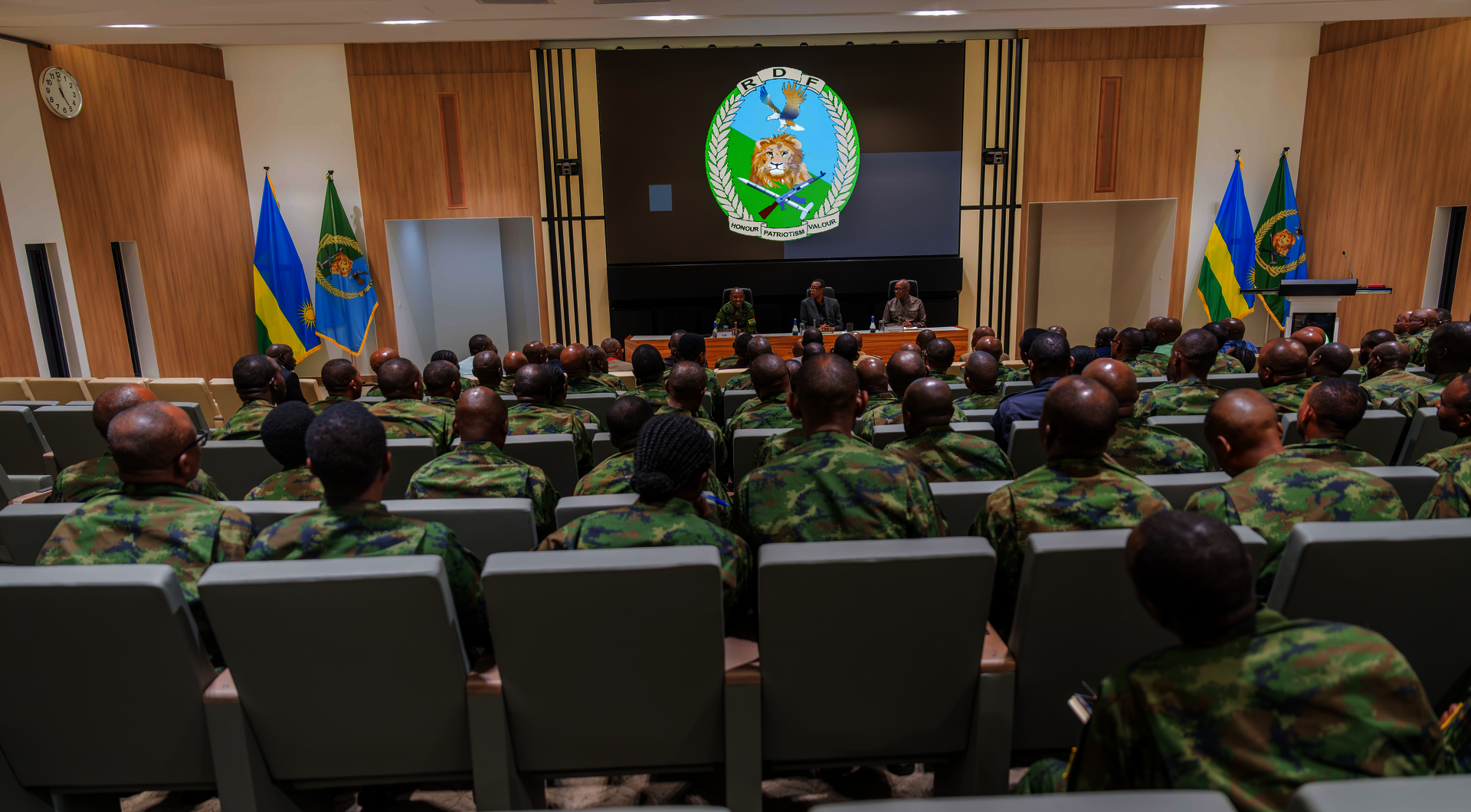
RPA 1994 CAG MUSEUM.
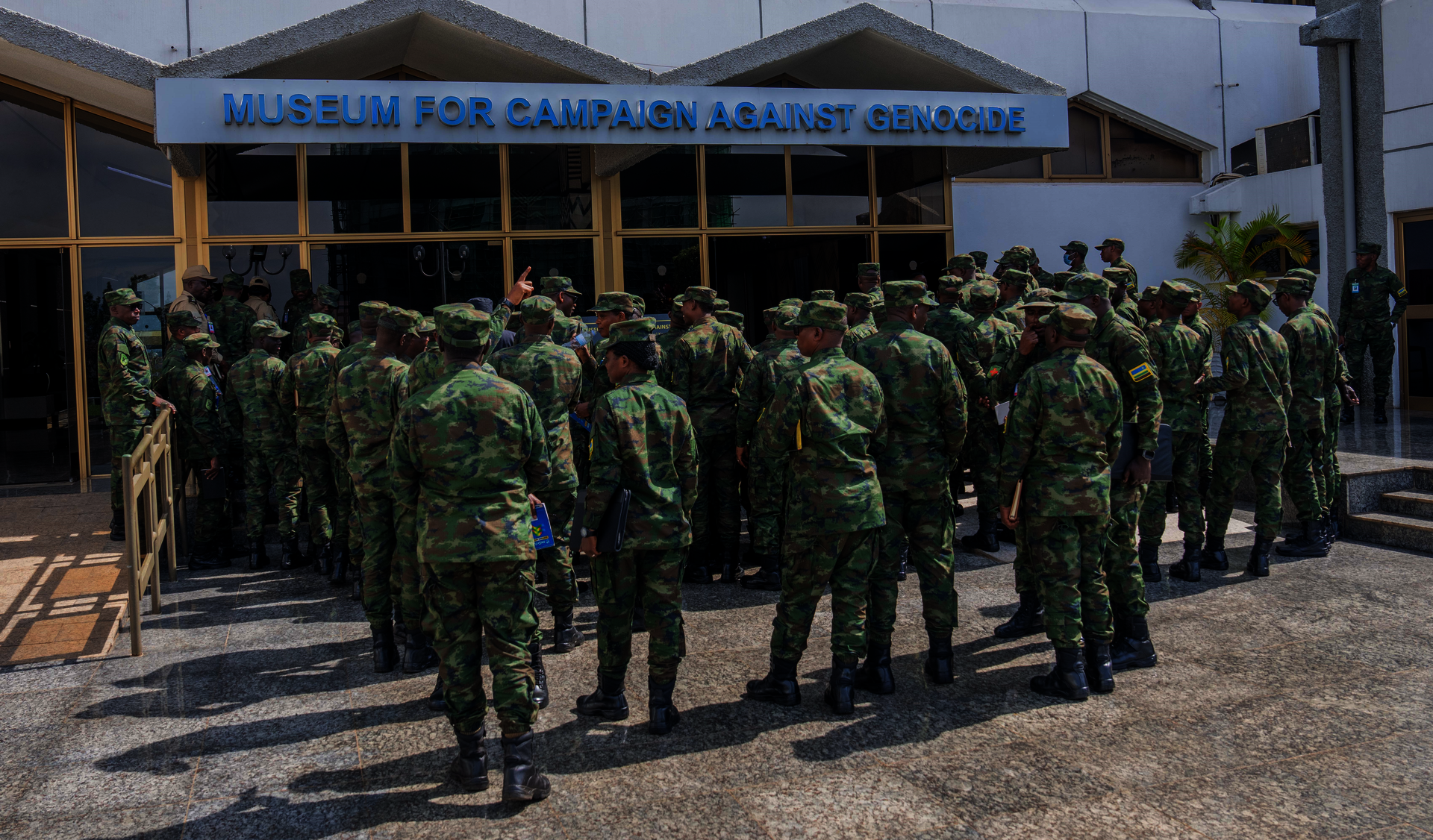
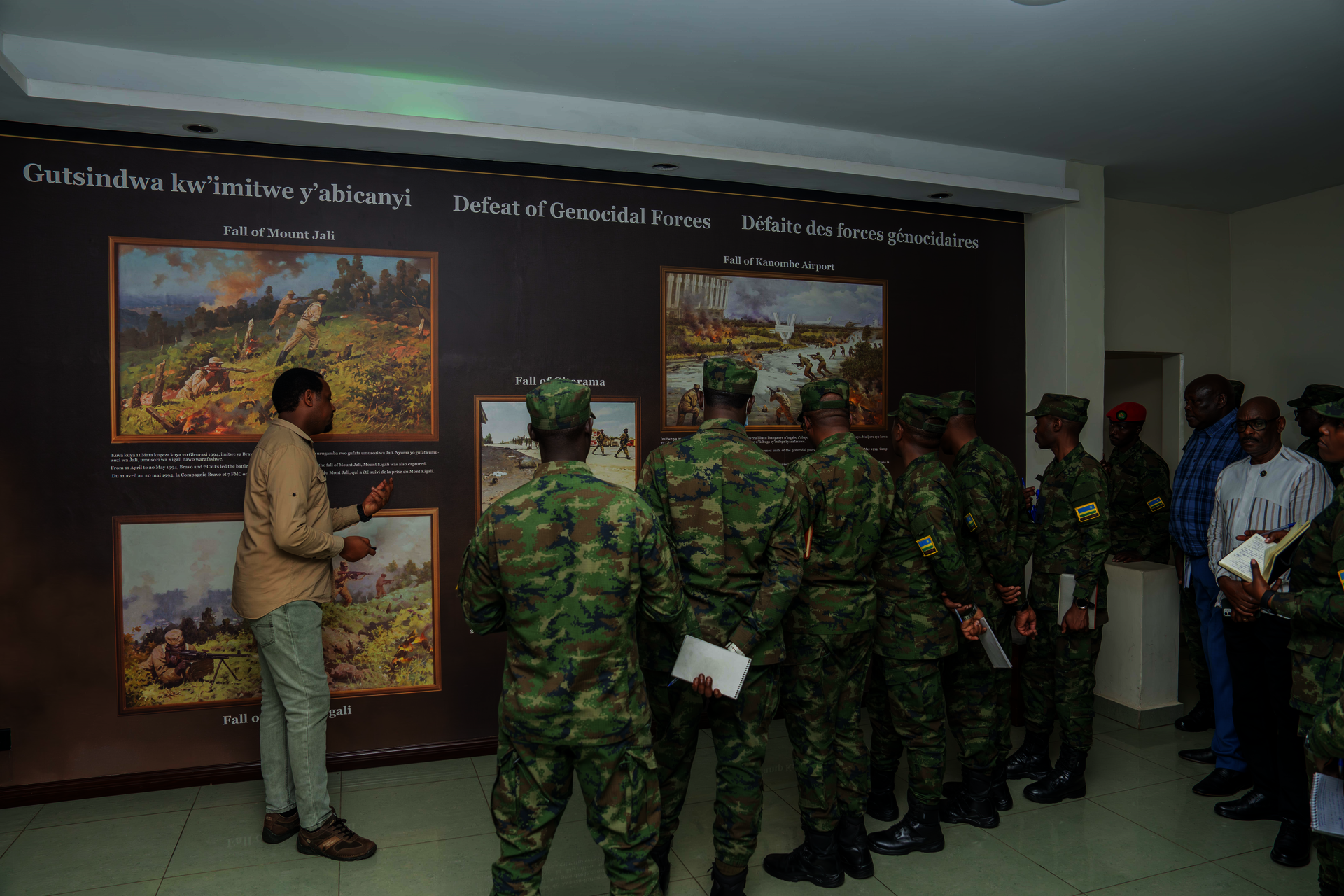
ALLIED SENIOR OFFICERS FAMILIARIZATION TOUR PHOTOS.
Huye National Museum.
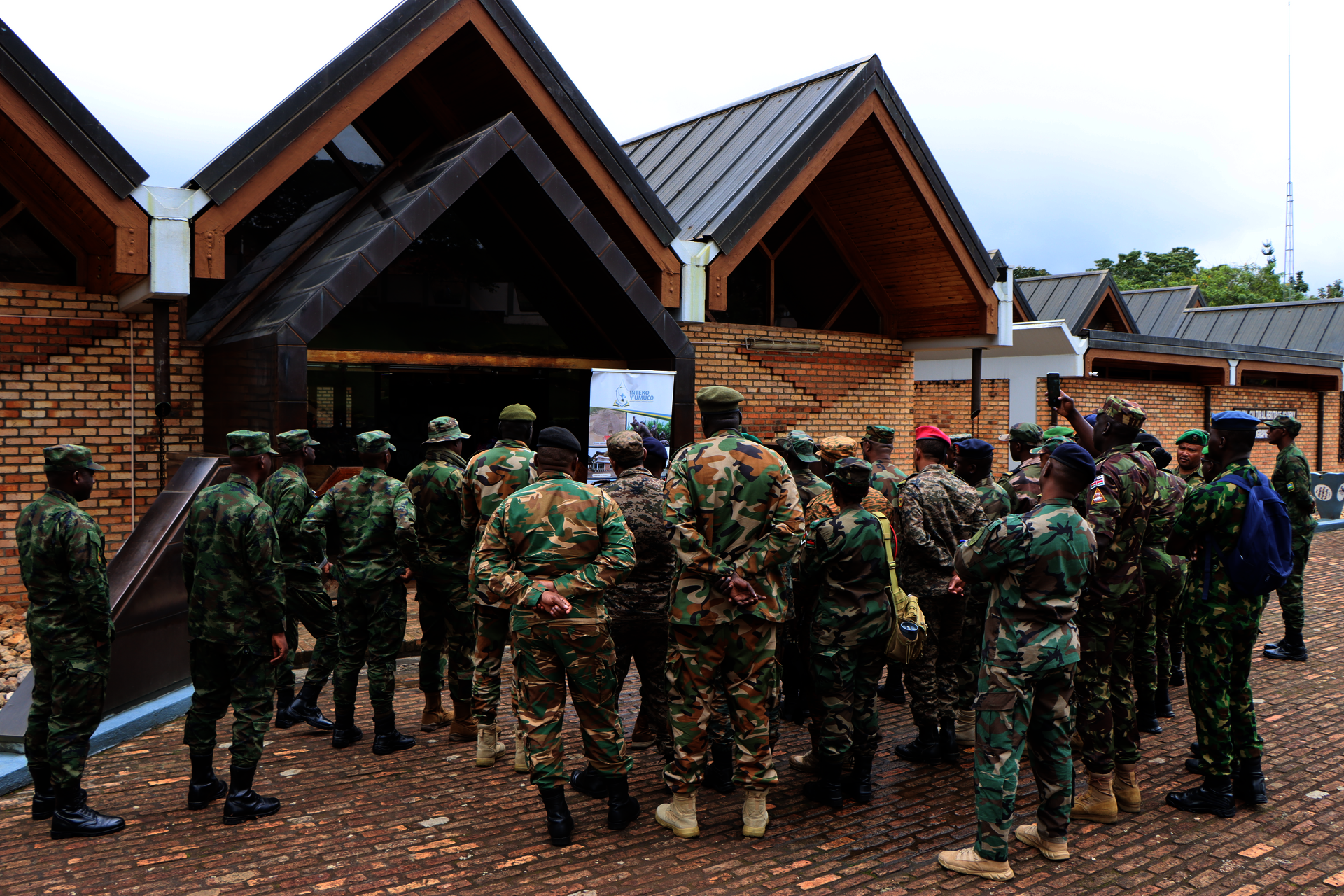
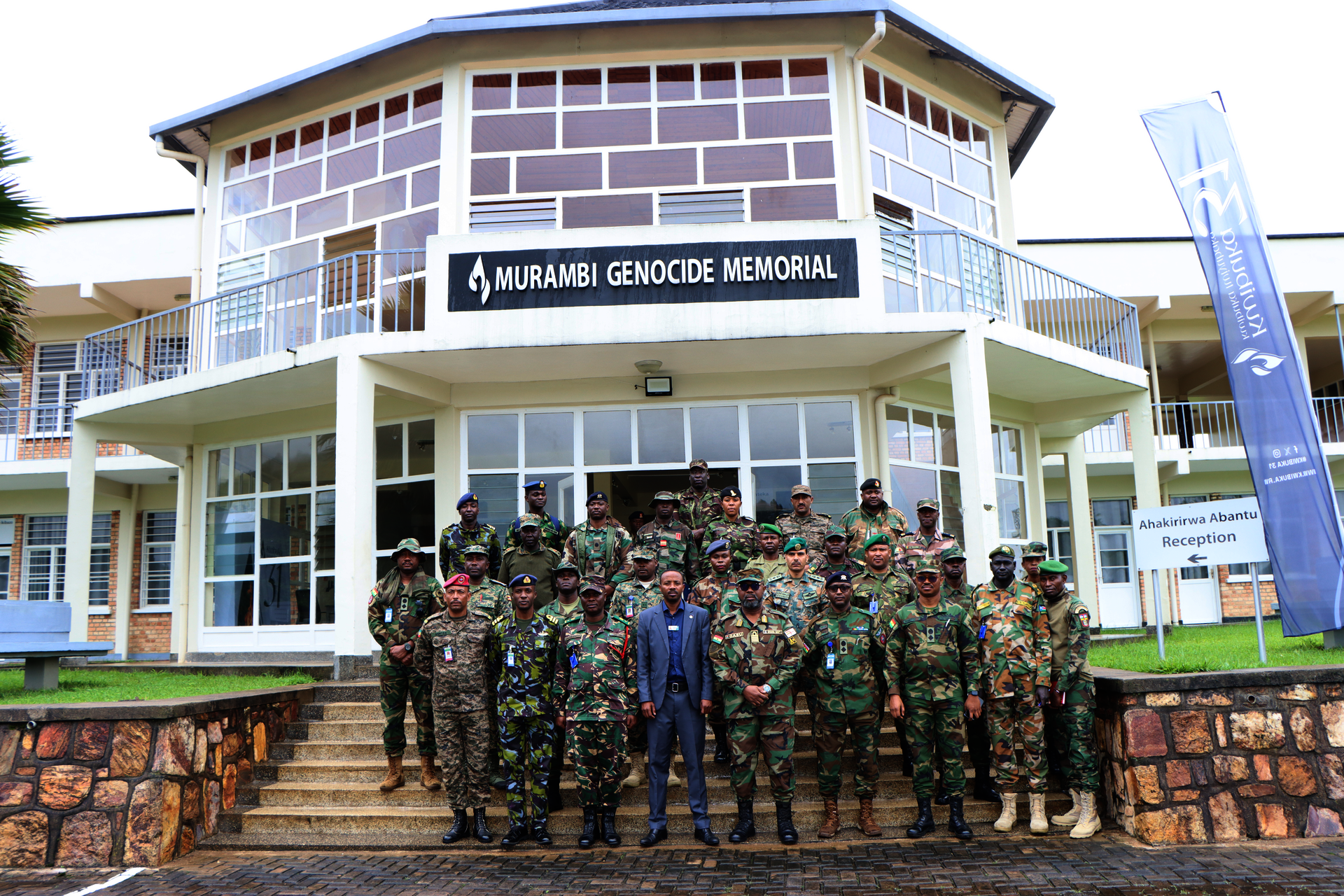
Murambi Memorial Genocide.
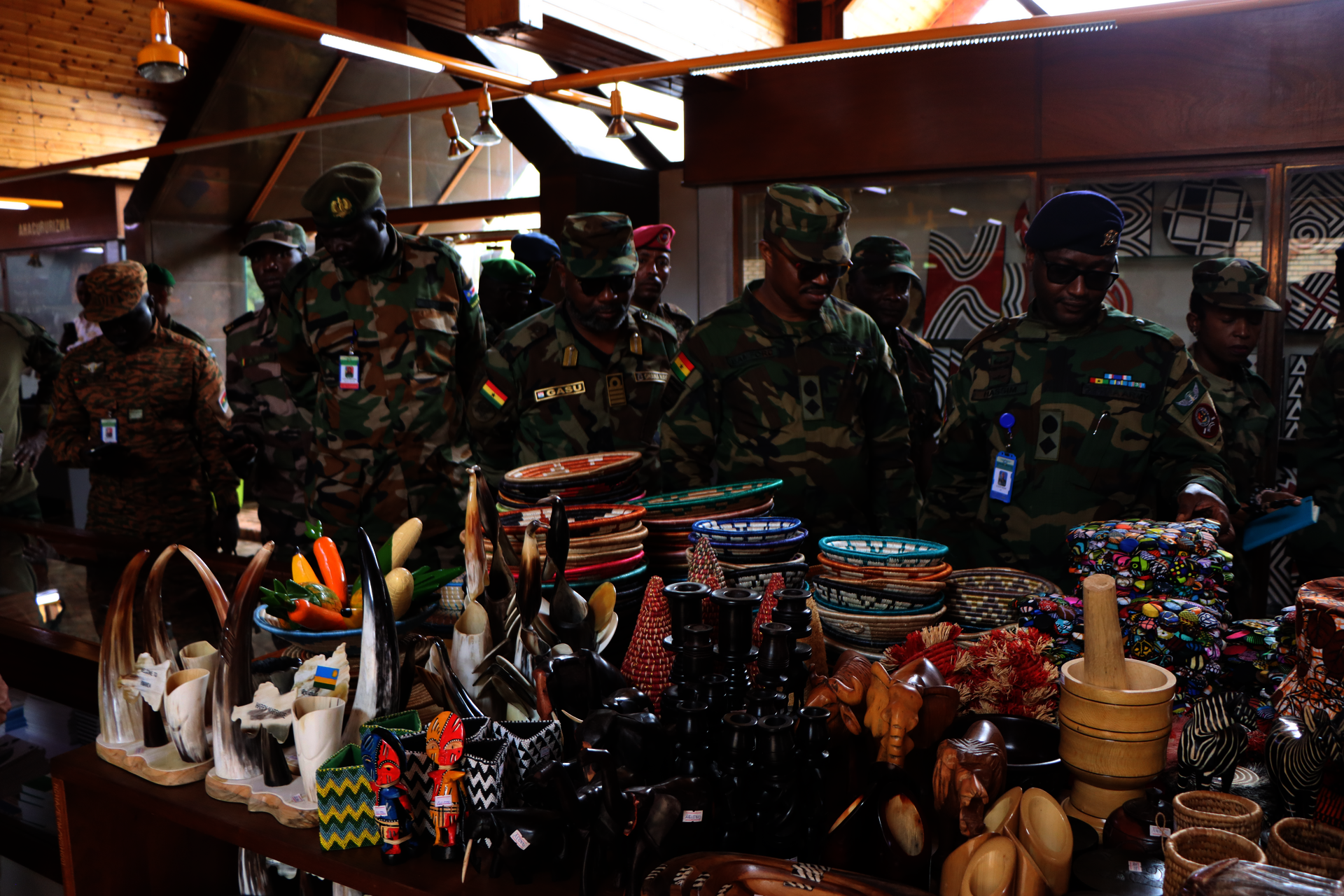
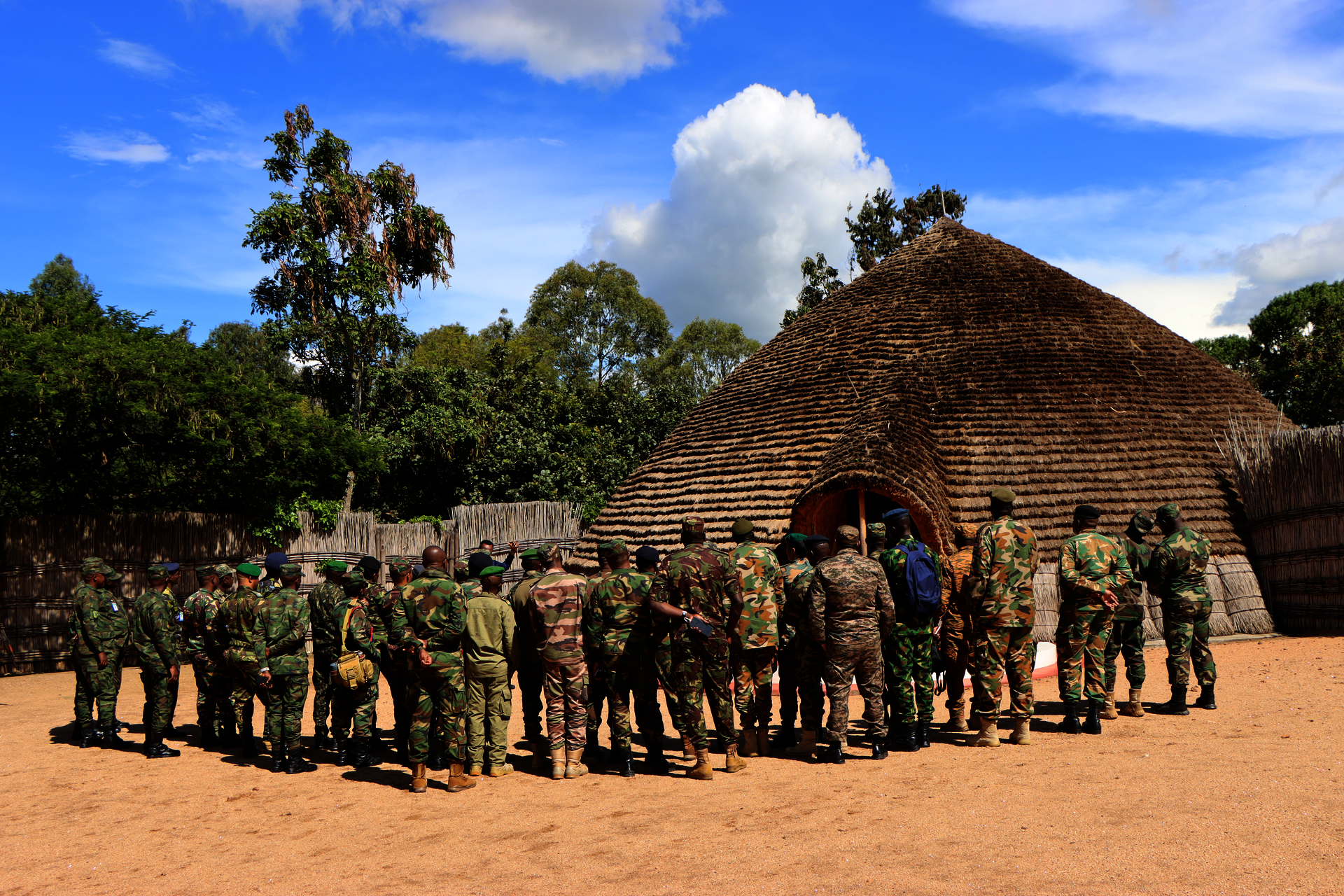
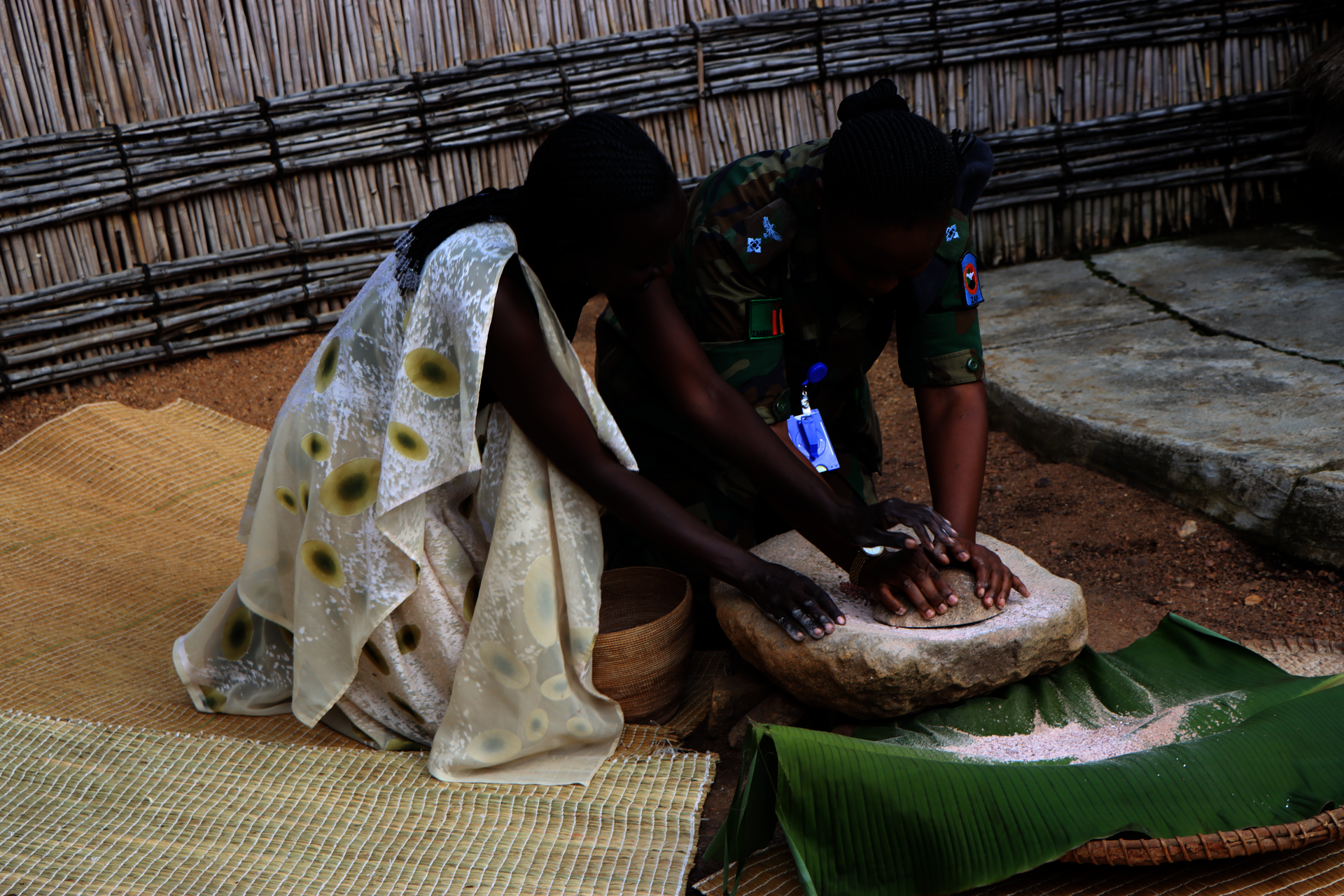
Nyanza Culture Trails.
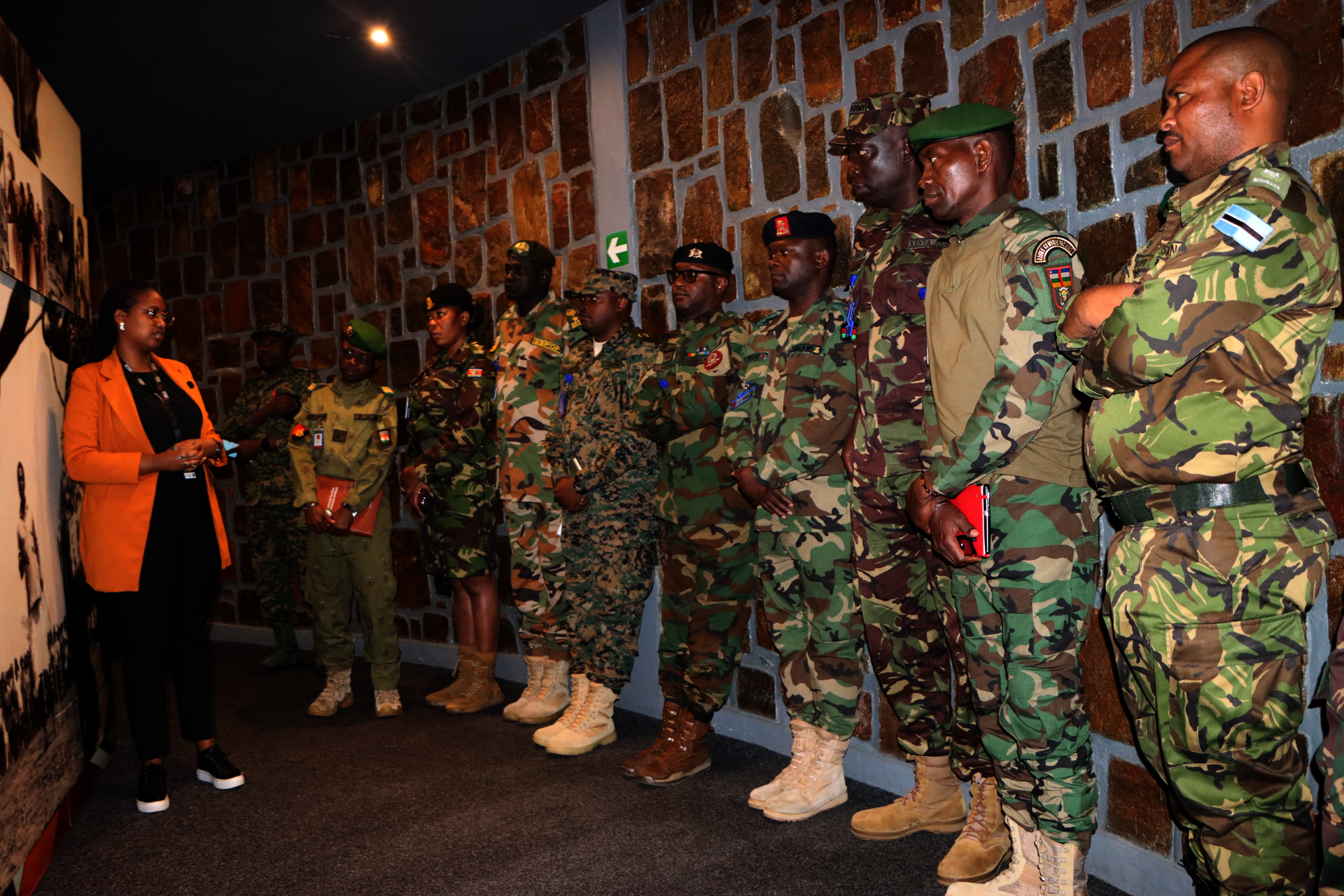
Kigali Memorial Genocide.
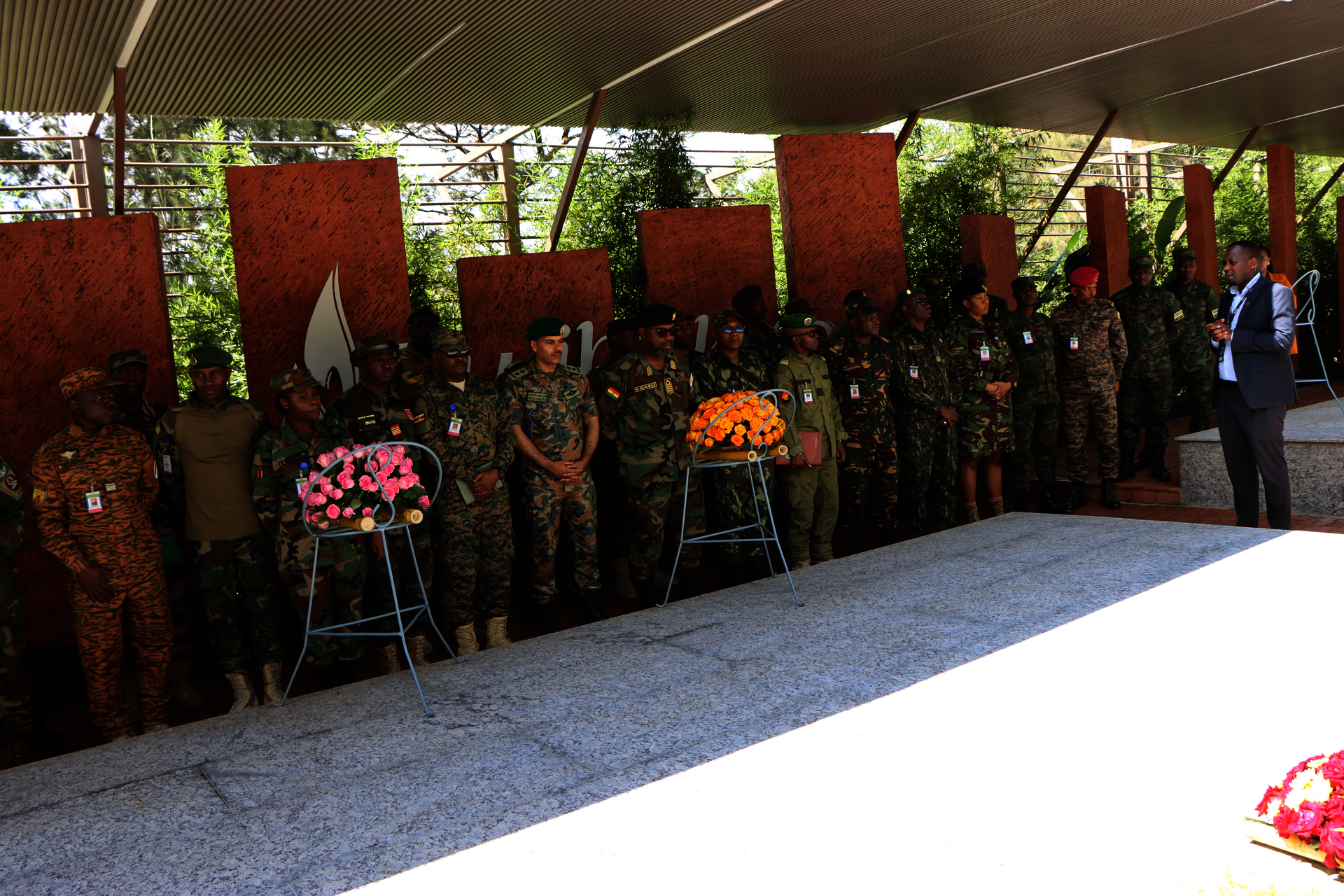
MUSEUM FOR CAMPAIGN AGAINST GENOCIDE.
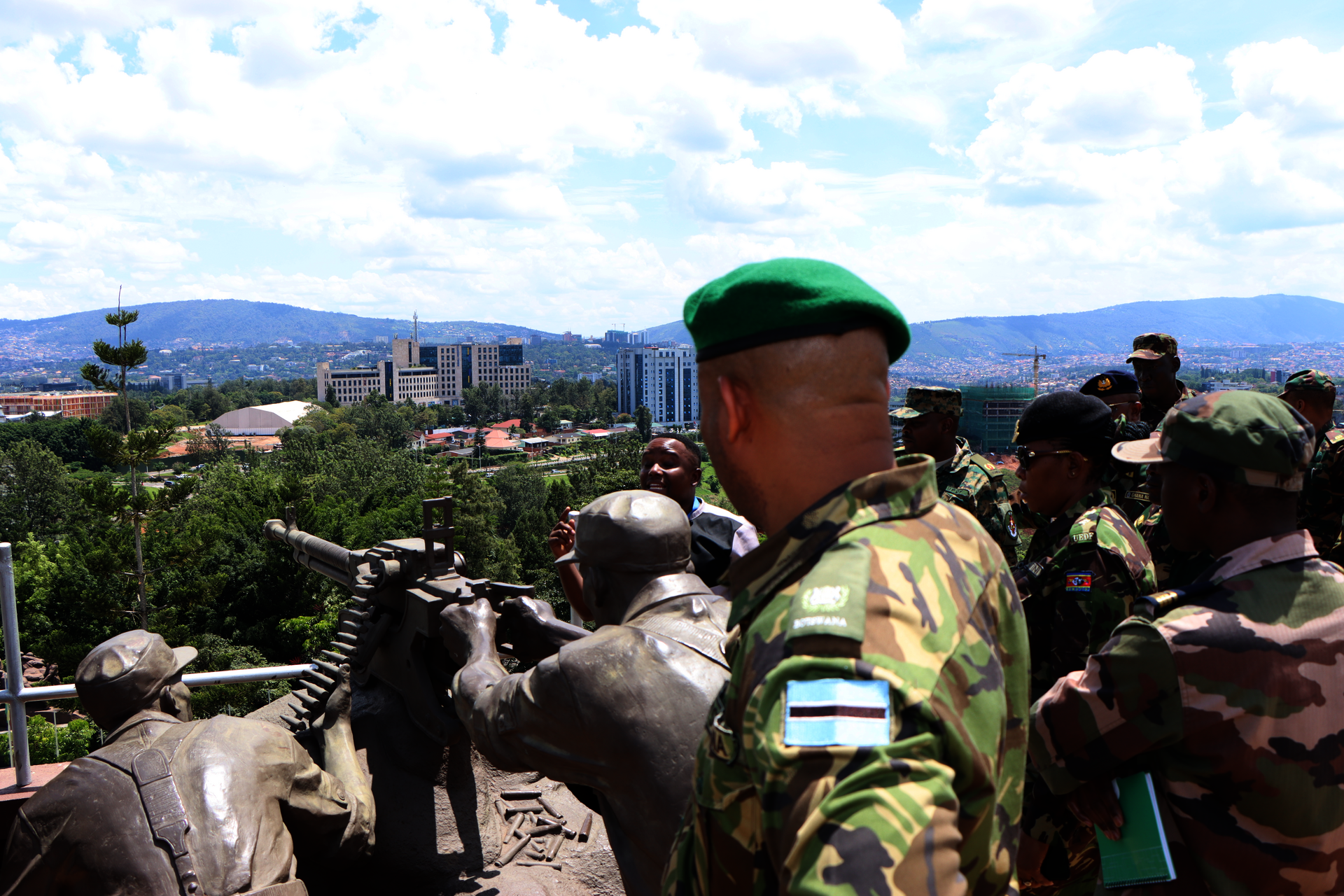
RWANDA HEROES AT AMAHORO PETIT STADIUM.
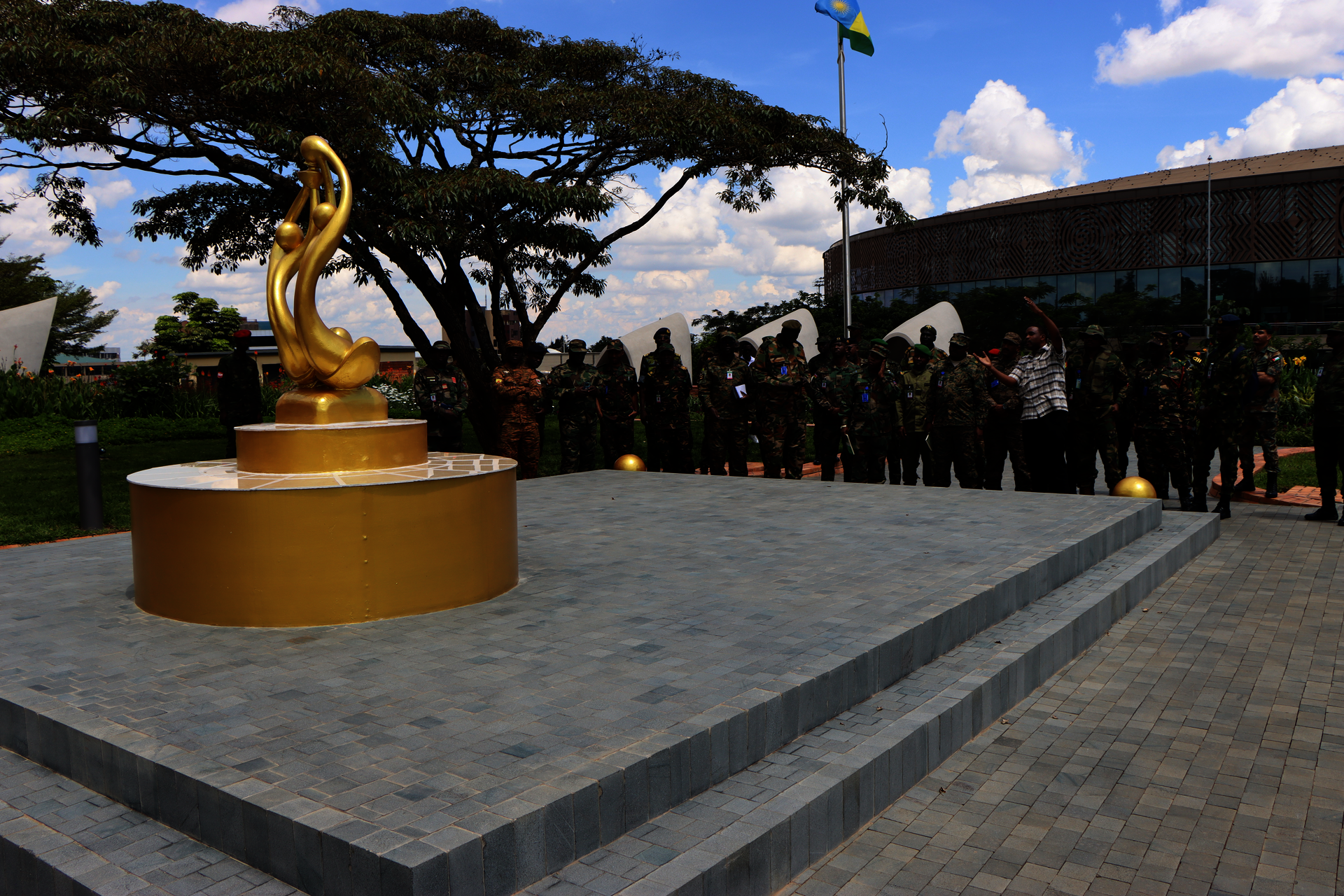
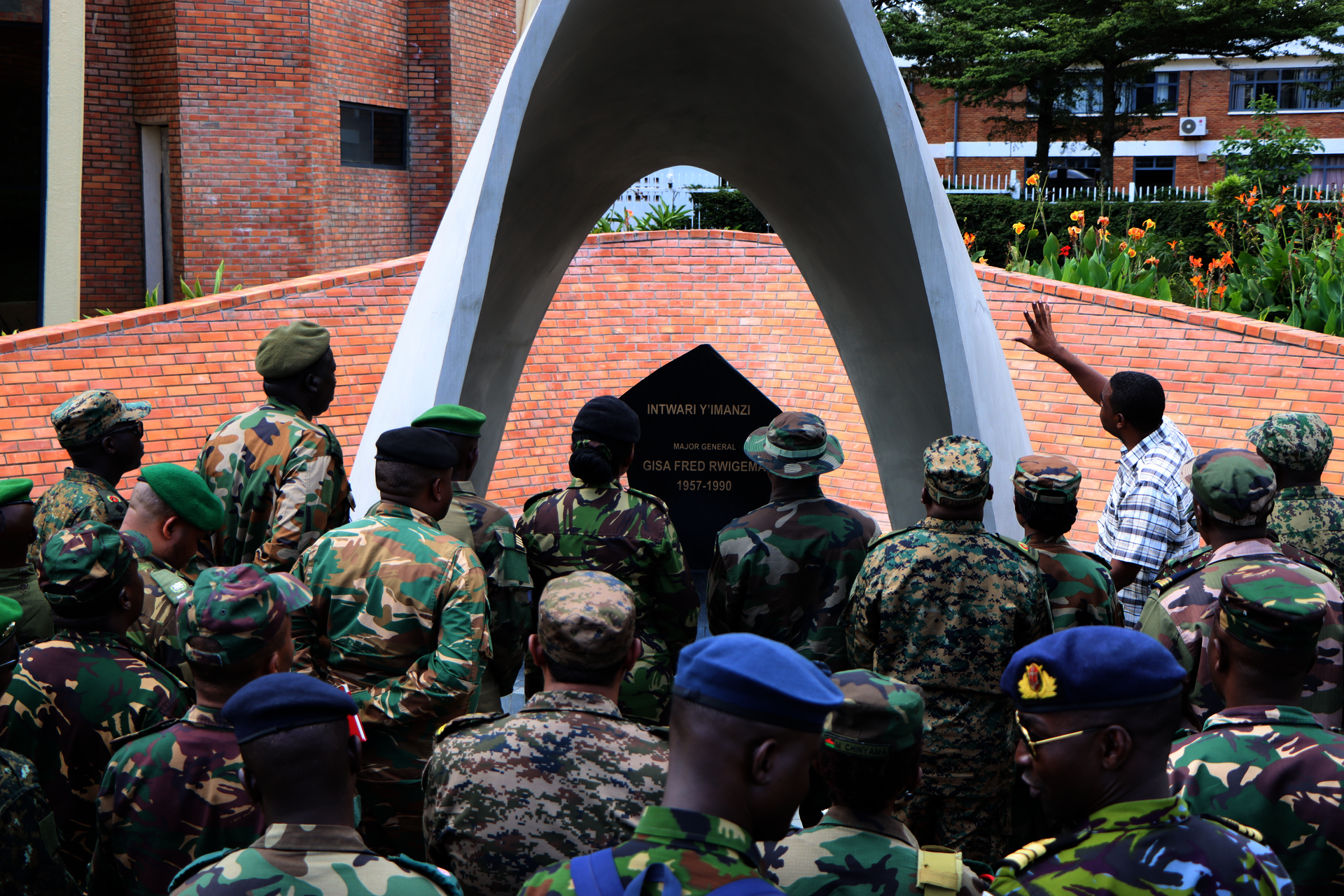
CAR FREE ZONE.
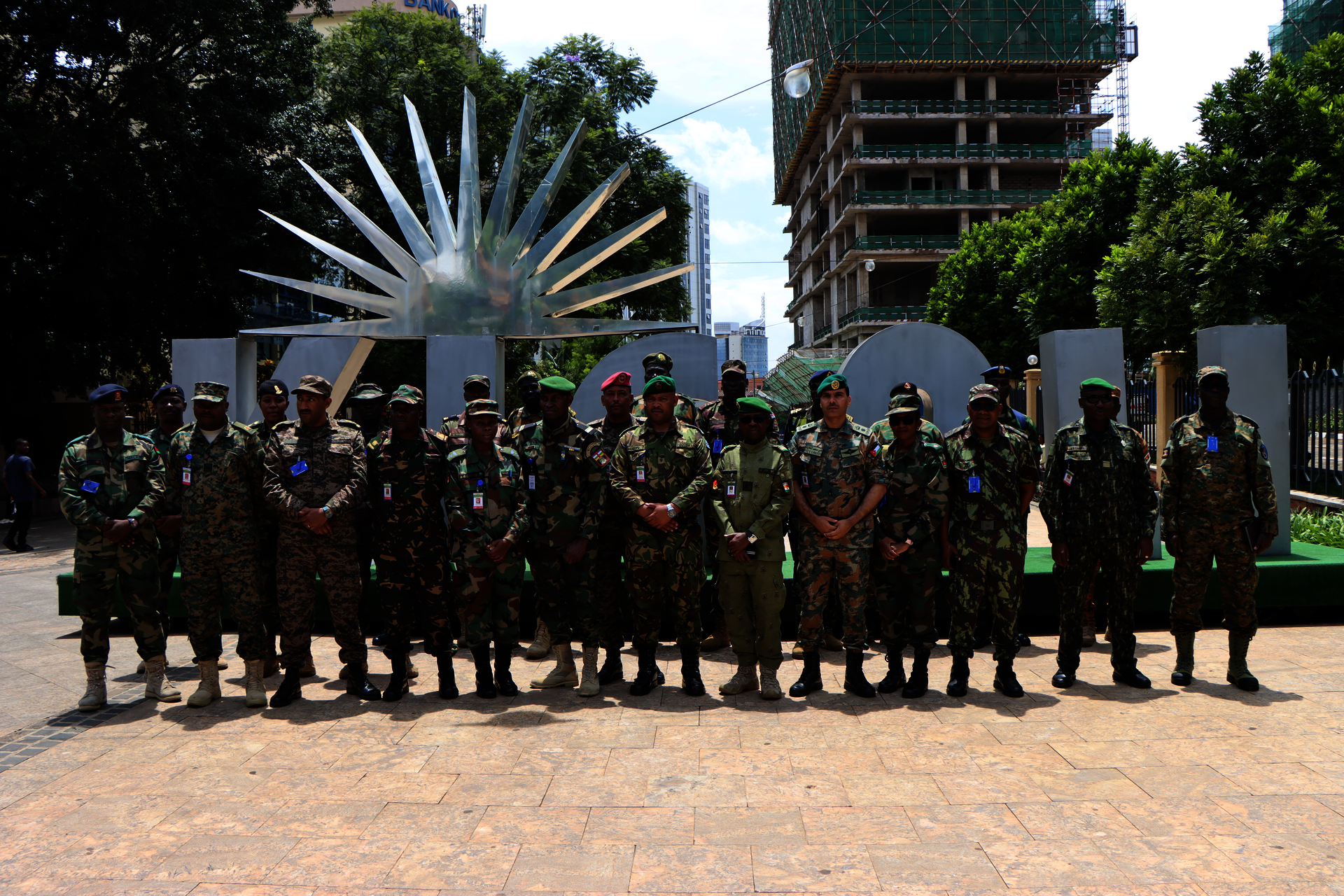
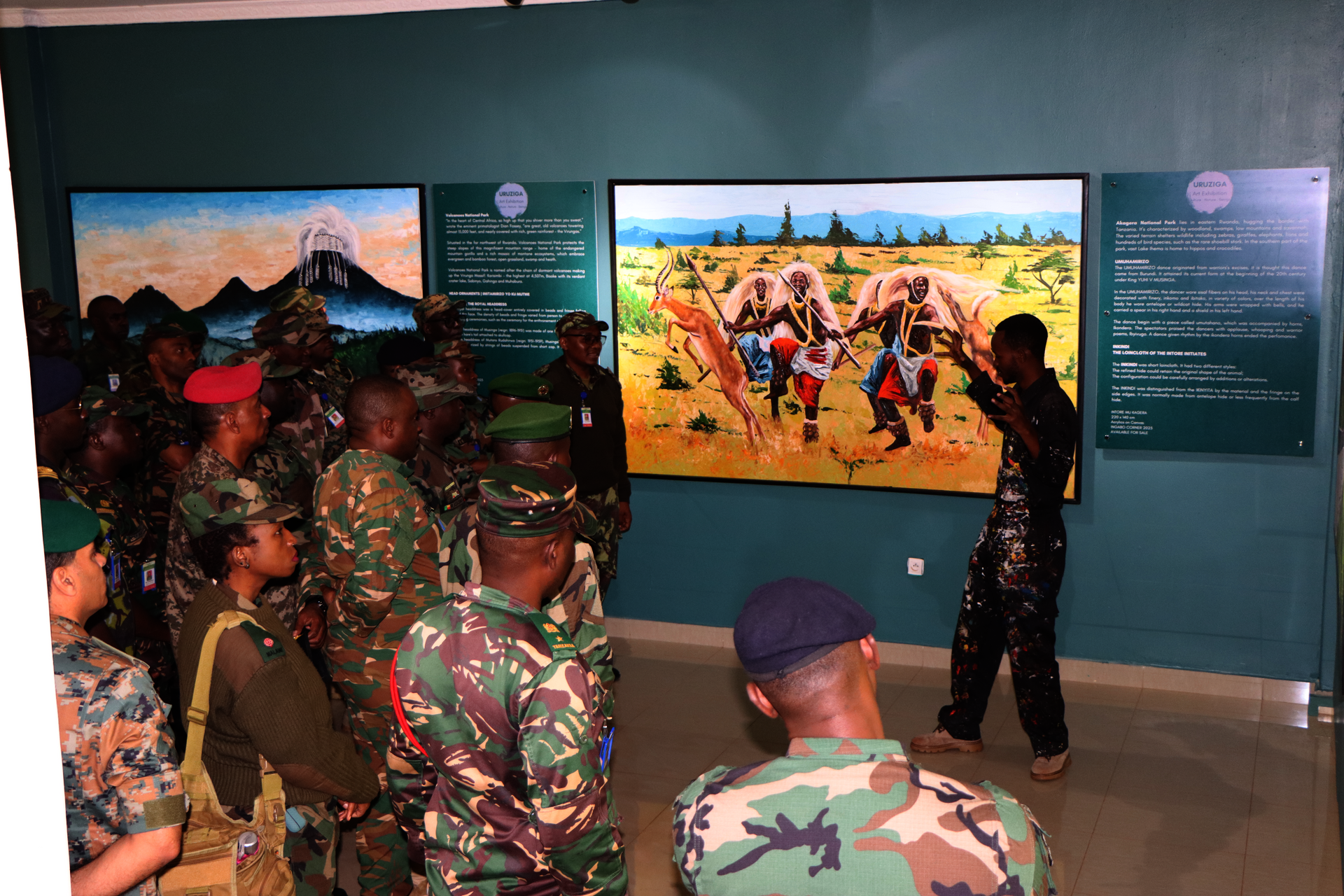
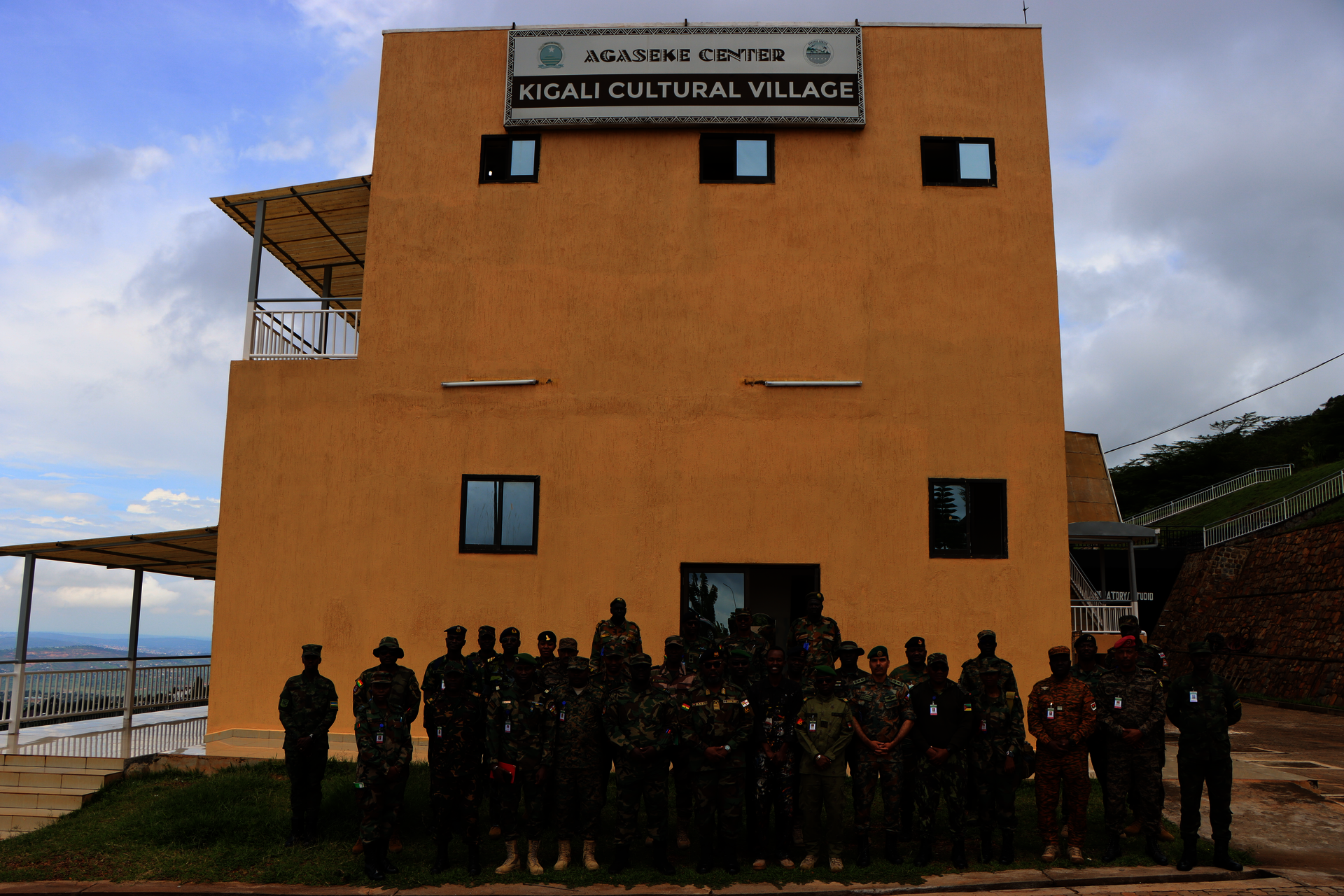
KIGALI CULTURAL VILLAGE.
Topics
RDF COMMAND AND STAFF COLLEGE HOLDS ANNUAL CULTURAL DAY
KENYA INDEPENDENCE DAY CELEBRATION
TANZANIA AND BURKINA FASO INDEPENDENCE DAY CELEBRATION
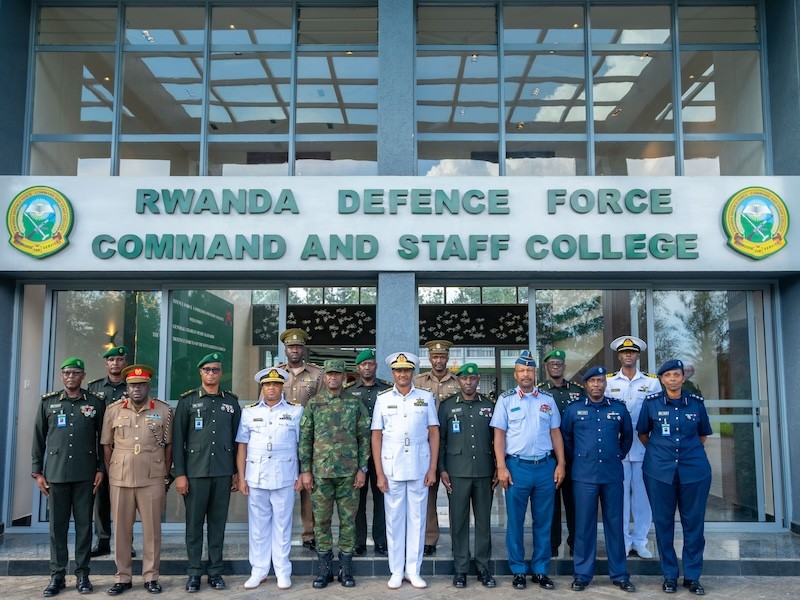
DEFENCE ATTACHÉS ACCREDITED TO RWANDA VISITED RWANDA DEFENCE FORCE COMMAND AND STAFF COLLEGE
THE CHIEF OF DEFENCE FORCES OF KENYA DELIVERED A LECTURE TO SENIOR OFFICERS AT RDF COMMAND AND STAFF COLLEGE
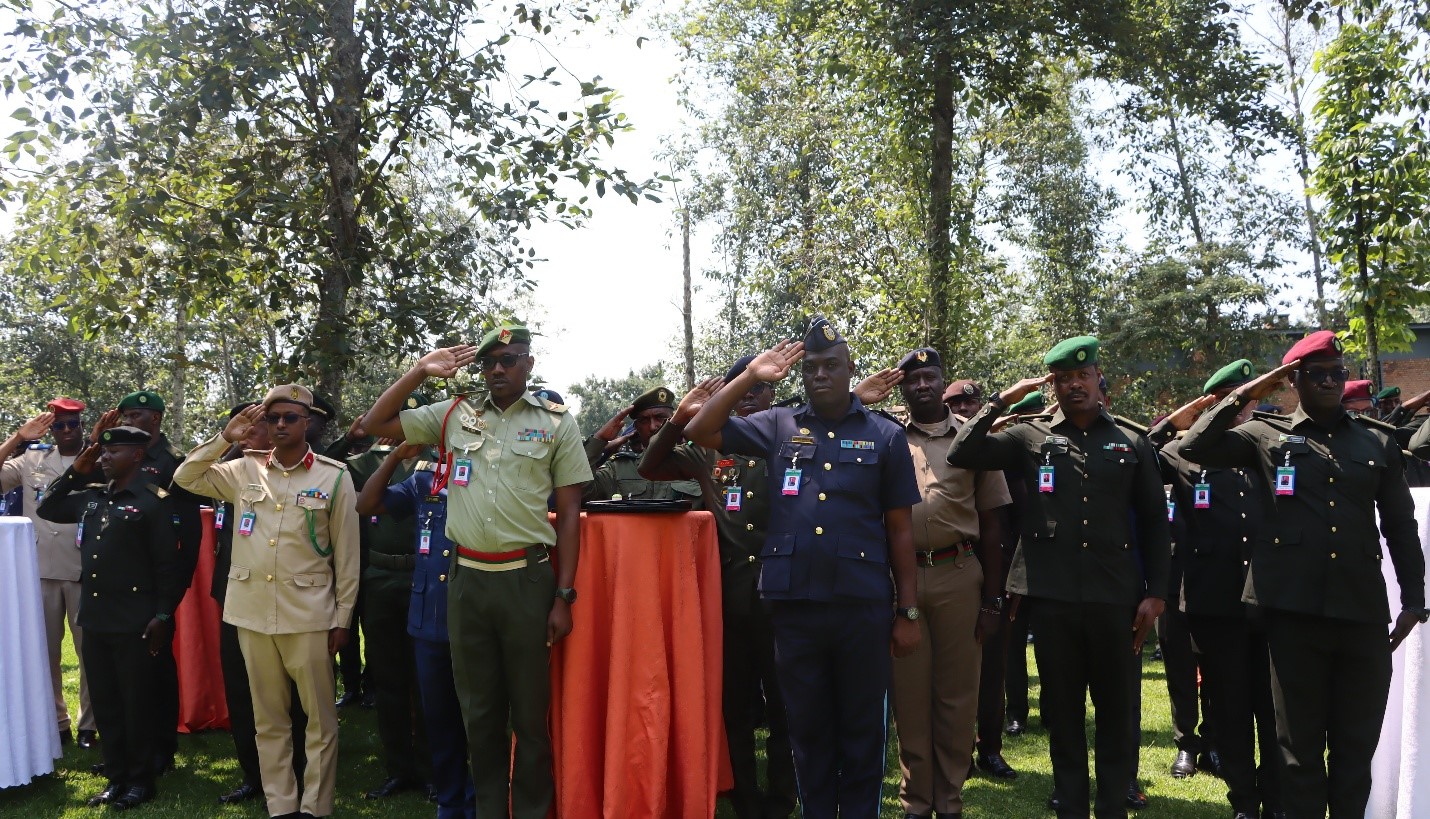
RWANDA DEFENCE FORCE COMMAND AND STAFF COLLEGE CELEBRATES ZAMBIA’S INDEPENDENCE ANNIVERSARY
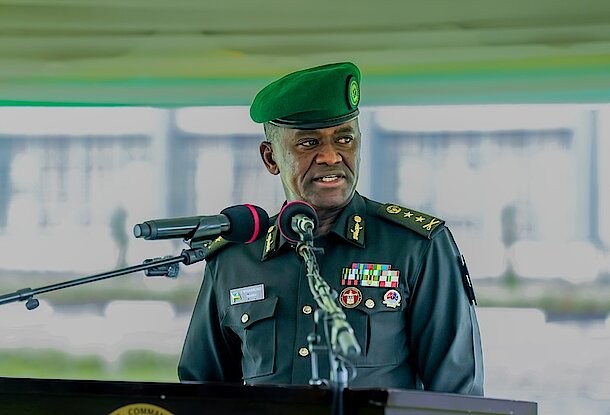
JUNIOR COMMAND AND STAFF COURSE GRADUATES IN MUSANZE DISTRICT
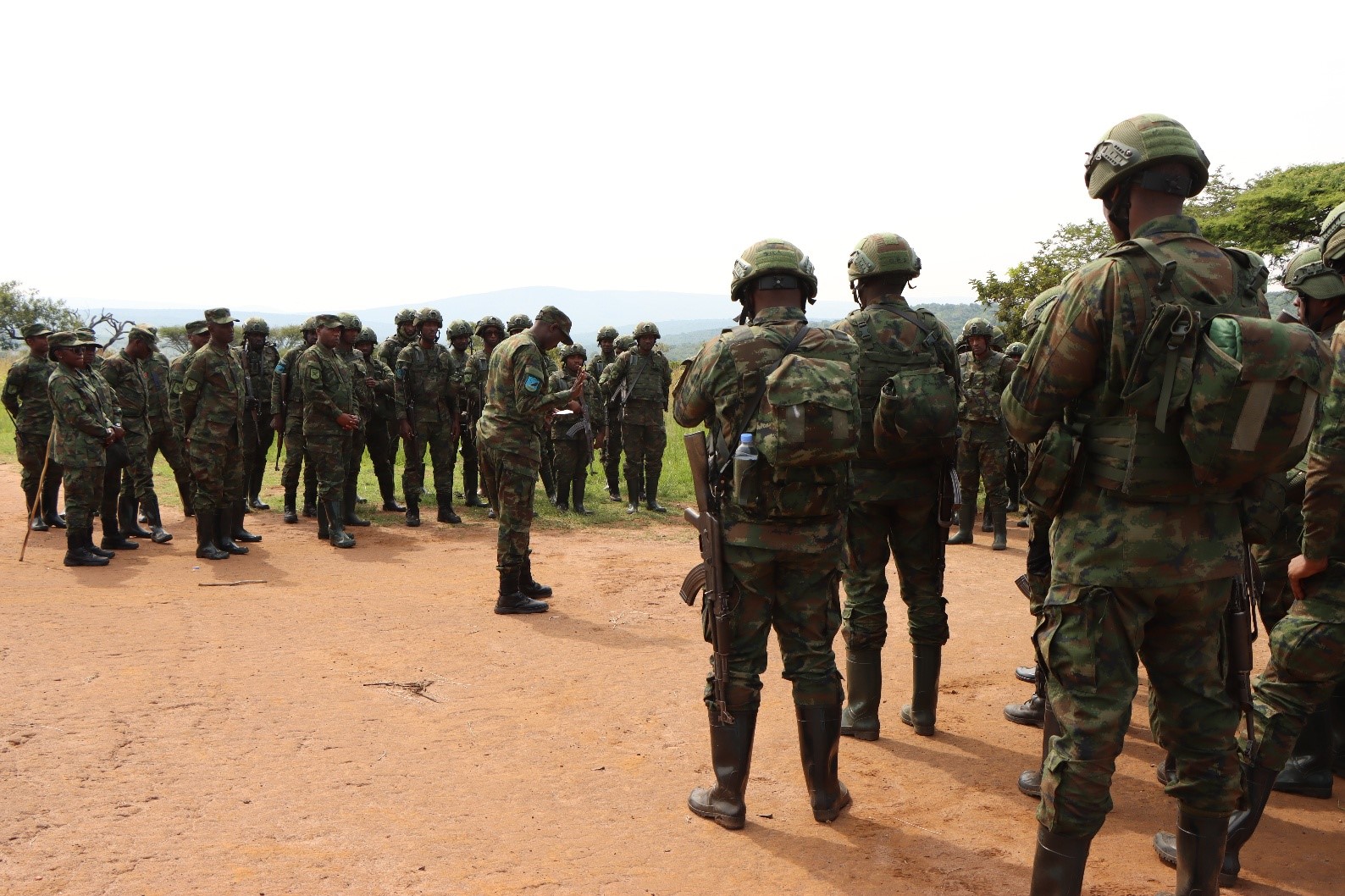
THE STUDENTS OF JUNIOR COMMAND AND STAFF COURSE 25, CONDUCTED A FIELD TRAINING EXERCISE (FTX) IN THE GENERAL AREA OF GABIRO FROM 8 TO 17 OCTOBER 2025